Forget Weights: Xponential Fitness Doesn't Want You To Know This Hypertrophy Hack.
NovumWorld Editorial Team
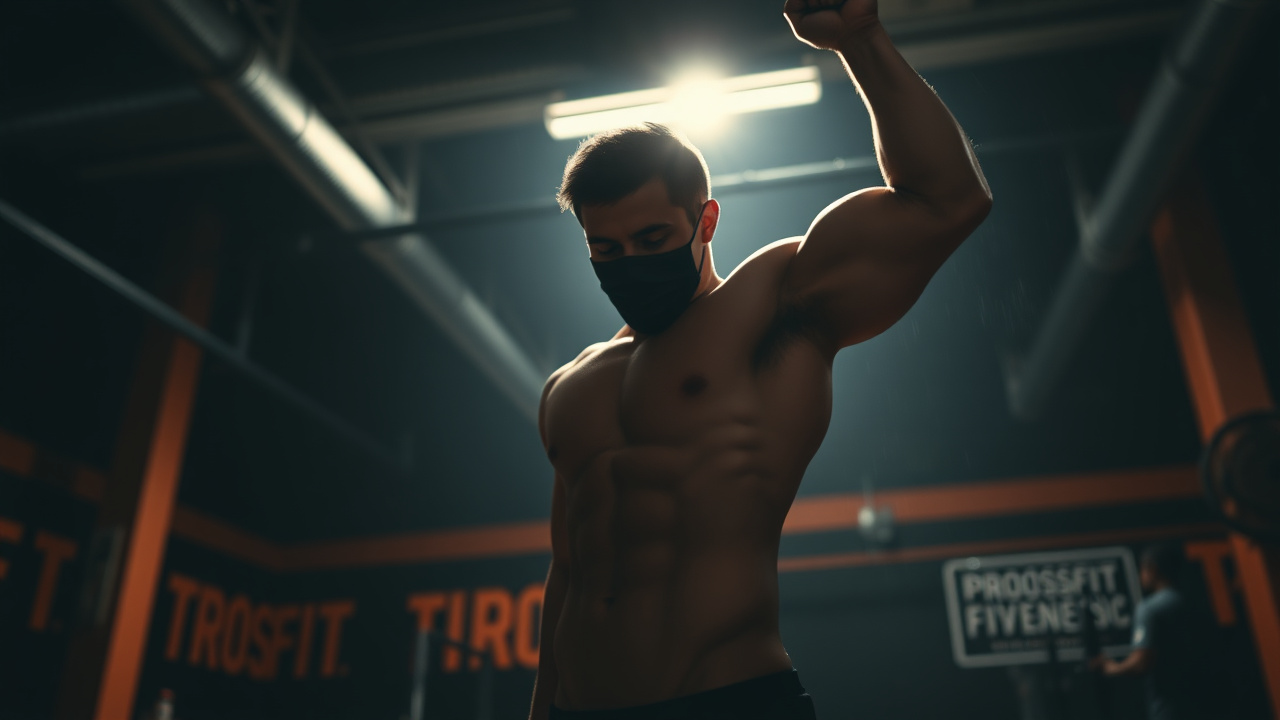
Xponential Fitness’s growth trajectory may be overlooking a readily available and inexpensive hypertrophy method, potentially stalling gains for its members.
- Bodyweight isometrics, holding a static position against resistance, can offer comparable hypertrophy to traditional weight training.
- Jeff Cavaliere of ATHLEAN-X stresses that isometric exercises are often overlooked but can critically engage muscles in ways traditional exercises cannot.
- For hypertrophy, most research suggests an optimal time under tension (TUT) per set is 40 to 70 seconds, an element easily achieved through isometric holds.
Pure Barre’s Silent Strength: Why Is Xponential Fitness Not Yelling About Isometrics?
Isometric exercises, where muscles contract without changing length, are quietly embedded within some Xponential Fitness brands, notably Pure Barre, but the fitness giant underplays their potential for muscle growth. This represents a missed opportunity to attract tech-savvy users looking for efficient, low-impact hypertrophy methods. Xponential Fitness Inc. operates in the competitive boutique fitness market, encompassing Pilates, indoor cycling, barre, stretching, rowing, dancing, boxing, running, functional training, and yoga, as detailed in their SEC filing. Despite the market’s diversity, the consistent emphasis on dynamic movements overshadows the benefits of static holds.
The company reported having approximately 450,000 members as of December 31, 2021, with over 390,000 actively paying members on recurring membership packages, according to their SEC filings. However, Xponential Fitness’s marketing often focuses on the dynamic and cardiovascular aspects of their workouts, neglecting to highlight the hypertrophic benefits that could be derived from incorporating more deliberate isometric training. This oversight could limit their appeal to individuals prioritizing muscle growth, a demographic that might otherwise be drawn to the accessibility and low-impact nature of bodyweight isometrics. Failing to highlight isometrics may also mean the fitness brand is missing a trick when it comes to attracting athletes seeking rehabilitation, as isometric exercises are beneficial for rehabilitation due to their low-impact nature and ability to improve strength without stressing joints.
Misleading Myths and Boutique Fitness: Why the “No DOMS, No Gains” Mentality Misses Out.
Isometric exercises, though capable of inducing hypertrophy, are often disregarded due to the lack of delayed onset muscle soreness (DOMS). This misconception perpetuates a bias toward high-impact, DOMS-inducing workouts, preventing broader adoption and education by fitness providers within the boutique fitness ecosystem. The absence of significant DOMS is not an indicator of ineffective muscle stimulation but rather a sign of reduced muscle damage and strain on joints. Trevor Thieme, Openfit’s Senior Fitness and Nutrition Content Manager, highlights that isometric exercises increase the target muscle’s time under tension, which is a key growth stimulus. However, the fitness industry often equates “feeling the burn” with progress, which can mislead consumers into thinking that if they’re not sore, they’re not growing.
This focus on DOMS neglects the fact that isometric exercises may be preferable for those aiming to avoid intense soreness, as they induce less muscle damage and place less strain on joints. This is particularly relevant for older adults, individuals recovering from injuries, or those seeking a gentler approach to muscle building. A shift in marketing narratives, emphasizing the strategic benefits of isometrics for muscle growth without excessive soreness, could unlock a new audience for Xponential Fitness and its brands.
The “Hidden Gym” Hack: Brad Thorpe Exposes the Minimalist’s Hypertrophy Secret
The effectiveness of bodyweight isometrics is often underestimated, despite research demonstrating comparable hypertrophy to traditional weight training under specific conditions. This creates a cost-effective alternative to boutique gyms for those who understand the principles of time under tension and consistent effort. Brad Thorpe, of Isophit, jokes that the top three risks of performing isometrics are looking good, feeling good, and functioning well, due to the rapid body transformation isometrics can provide. However, this perceived “simplicity” often leads individuals to dismiss isometrics as too easy or not challenging enough.
Isometric training can induce muscle hypertrophy at levels comparable to traditional isotonic resistance training when performed with high intensity. This finding challenges the conventional wisdom that heavy weights are essential for significant muscle growth. By focusing on maximizing time under tension and achieving near-maximal effort during isometric holds, individuals can effectively stimulate muscle protein synthesis and drive hypertrophic adaptations. This approach not only reduces the need for expensive equipment but also minimizes the risk of injury often associated with heavy lifting. The potential for significant muscle growth using just bodyweight isometrics represents a powerful, cost-effective tool for achieving fitness goals, often overlooked by mainstream fitness narratives.
Beyond “The Burn”: The Blood Pressure Risk and the Time Commitment Challenge.
Isometric exercises can elevate blood pressure if breath is held, and the necessity of sustained high-intensity holds presents a potential barrier for consistent application. This contrasts sharply with the “no pain, no gain” ethos often promoted by some fitness influencers. ATHLEAN-X often warns that isometric exercises may increase blood pressure if breath is held during the exercise. This risk is particularly relevant for individuals with pre-existing cardiovascular conditions or those who are not accustomed to high-intensity training.
The time commitment required for effective isometric training can also be a deterrent. While the exercises themselves may be brief (holding a position for 20-60 seconds), achieving sufficient volume and intensity to stimulate hypertrophy requires dedication and discipline. Moreover, the lack of immediate feedback (such as lifting heavier weights) can make it difficult for individuals to gauge their progress and stay motivated. Overcoming these challenges requires a strategic approach to training, including proper breathing techniques, progressive overload, and a clear understanding of the principles of time under tension.
From Wall Street to the Workout Room: The Future of “Tension Tech” for Hypertrophy
The accessibility and low-impact nature of isometrics positions them as a viable option for rehabilitation and athletic performance enhancement, aided by technological advancements in force measurement. Isometric exercises are beneficial for rehabilitation due to their low-impact nature and ability to improve strength without stressing joints. As technology advances, force plates and dynamometers enable precise quantification and tracking of metrics such as force output, making isometric training more objective. This data-driven approach allows trainers and athletes to monitor progress, adjust training protocols, and optimize performance.
Moreover, the versatility of isometrics allows for easy integration into various training regimens, whether as a standalone workout or as a supplementary exercise to enhance traditional weight training. This adaptability makes isometrics a valuable tool for individuals of all fitness levels, from beginners to elite athletes. As the understanding of isometric training expands, and technology continues to evolve, “tension tech” is poised to play a significant role in the future of hypertrophy and athletic performance. For example, the combination of eccentric isometrics with overcoming isometrics may offer benefits such as increased proprioceptive feedback and improved muscle growth. From $100 To $6: YouTube’s Ad Revenue Massacre Nobody Is Talking About.
The Bottom Line
Bodyweight isometrics are an effective and accessible hypertrophy tool for those willing to prioritize sustained tension over heavy weights. If you’re a gym-goer looking for a way to spice up your routine or you’re just starting out, experiment with implementing 3-5 isometric exercises into your current bodyweight routine. Get a grip.
FAQs: Bodyweight Isometrics
Q: Can isometric exercises really build muscle, or are they just a waste of time? A: Isometric training can induce muscle hypertrophy at levels comparable to traditional isotonic resistance training when performed with high intensity, according to research. The key is to maximize time under tension and achieve near-maximal effort during the holds. While it might not be as effective for some as eccentric and concentric training, it’s certainly not a waste of time if done correctly.
Q: I never get sore after doing isometrics. Does that mean they’re not working? A: Not necessarily. Isometric exercises may be preferable for those aiming to avoid DOMS, as they induce less muscle damage and place less strain on joints. The lack of soreness doesn’t mean your muscles aren’t being stimulated; it just means you’re not experiencing as much muscle breakdown. Focus on the intensity and duration of your holds rather than the presence of DOMS.
Q: I have high blood pressure. Are isometric exercises safe for me? A: Isometric exercises may increase blood pressure if breath is held during the exercise. It’s crucial to use proper breathing techniques (exhaling during the hold) and consult with a healthcare professional before incorporating isometrics into your routine, especially if you have pre-existing cardiovascular conditions.