68% Of Collegiate Athletes Suffer Body Dissatisfaction: The Shocking Influence Of One Fitness Icon
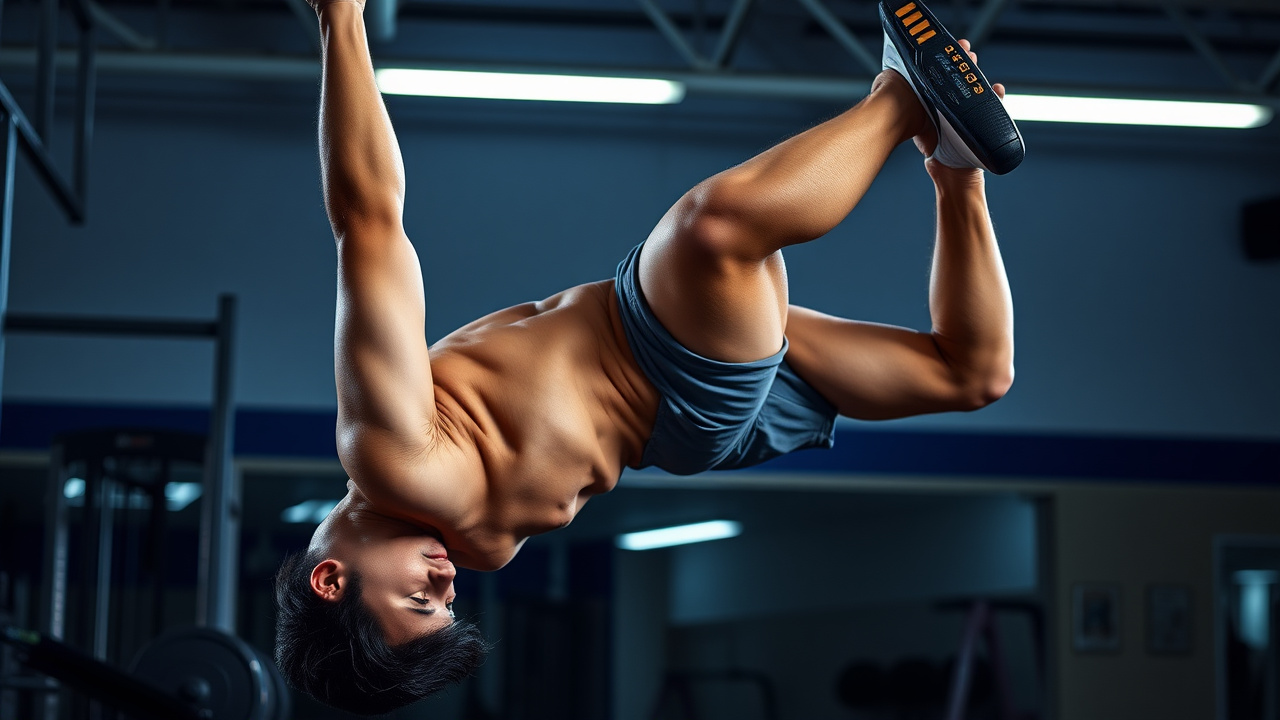
The commodification of the female athlete’s body by social media algorithms has created a mental health crisis disguised as wellness, turning collegiate sports into a breeding ground for dysmorphia. The fitness industry is a predatory ecosystem selling unattainable aesthetics under the guise of health, and collegiate athletes are the latest casualties of this digital scam.
- 68% of collegiate athletes report body dissatisfaction, revealing a significant mental health concern among this demographic.
- According to a 2021 study by the National Eating Disorders Association, up to 62% of female athletes in aesthetic sports exhibit disordered eating behaviors.
- The pervasive influence of fitness icons on social media necessitates a critical evaluation of body image standards and mental health initiatives for female athletes.
The Fitness Influencer Paradox: Empowerment or Detriment?
The rise of fitness influencers like Kayla Itsines has created a paradox where empowerment through fitness often leads to body dissatisfaction among female collegiate athletes. This phenomenon is driven by “upward social comparison,” a psychological mechanism where individuals evaluate themselves against others perceived as superior, triggering feelings of inadequacy. The algorithmic amplification of idealized physiques creates a distorted reality, where the exception is presented as the rule. A 2021 study found that 56% of participants felt worse about themselves after viewing fitspiration content, highlighting the direct correlation between curated digital content and self-esteem degradation.
The mechanism behind this paradox lies in the brain’s reward system. Viewing “perfect” bodies activates neural pathways associated with reward and aspiration, but simultaneously triggers the anterior cingulate cortex, which processes social exclusion and error detection. This cognitive dissonance creates a state of psychological tension. The athlete is torn between the motivation to train and the crushing realization that their genetic potential may not align with the filtered images on their screen. The constant exposure to these stimuli reinforces a negative feedback loop, where self-worth is erroneously tethered to aesthetic adherence rather than functional performance.
The “empowerment” narrative is often a marketing tactic designed to sell products by exploiting insecurities. Influencers leverage the language of self-love to peddle restrictive diets and unrealistic training regimens. This is particularly dangerous for collegiate athletes who already operate under high physical and psychological pressure. The intersection of athletic identity and social media validation creates a vulnerability that influencers monetize. The result is a generation of athletes who are fitter than ever on paper, but mentally fragile and disconnected from the intrinsic joy of movement.
The Misinformation Crisis: Are Influencers Leading Athletes Astray?
Despite their popularity, many fitness influencers lack the proper credentials to offer sound advice, contributing to harmful body image perceptions among athletes. Blake Baxter, Performance Coach at Banner Sports Medicine High Performance Center, highlights that many fitness influencers lack formal education and aren’t equipped to give advice regarding exercise or fitness. This credential gap allows pseudoscience to flourish, unchallenged by the rigorous standards of academic or clinical practice. The dissemination of incorrect information regarding training volume, nutrition, and recovery can lead to physiological maladaptation and injury.
The mechanism of harm here is the Dunning-Kruger effect, where individuals with low ability at a task overestimate their ability. In the context of fitness, influencers with a six-week certification and a large following are perceived as authorities, eclipsing the nuanced advice of sports dietitians and physiologists. This creates a “tragedy of the commons” in information, where the most accessible advice is often the least accurate. For a female athlete, following advice from an unqualified source can disrupt energy availability, leading to Relative Energy Deficiency in Sport (RED-S). This syndrome impairs physiological function including bone health, immunity, and menstrual cycle regularity.
The lack of regulation in the digital fitness space allows these influencers to operate without accountability. Unlike medical professionals who are bound by ethical codes and legal standards, influencers face no repercussions for dispensing dangerous advice. This asymmetry of information power places the burden of discernment on the athlete, who is often ill-equipped to distinguish evidence-based practice from marketing hype. The consequence is a landscape where anecdotal evidence (“it worked for me”) is valued over peer-reviewed research, putting athlete health at significant risk.
The Dark Side of Fitspiration: Unpacking Unrealistic Standards
The fitness industry is often criticized for promoting unattainable body types, which can exacerbate feelings of inadequacy and lead to disordered eating. Dr. Lizzy Pope from the University of Vermont claims that deceitful medical information promoted by TikTok influencers points users toward an eating disorder. The visual nature of platforms like Instagram and TikTok prioritizes aesthetics over function, creating a skewed definition of fitness. The “fitspiration” trend, while ostensibly motivational, often serves as a vehicle for body shaming and the promotion of extreme leanness.
The physiological mechanism driving this issue is the activation of the body’s stress response. Constant exposure to idealized images elevates cortisol levels, which in turn can increase appetite and promote fat storage—specifically visceral fat—creating a vicious cycle. The psychological pressure to conform to these standards can lead to compensatory behaviors such as excessive exercise, caloric restriction, and the use of laxatives or diuretics. These behaviors are not merely unhealthy; they are fundamentally antithetical to athletic performance, robbing the body of the fuel needed for high-intensity training and recovery.
Furthermore, the use of editing tools and filters renders the “standards” physically impossible. Athletes are comparing themselves to digital avatars, not human beings. This comparison is not just unfair; it is delusional. The pursuit of a filtered physique leads to body dysmorphia, a mental health condition where a person spends a lot of time worrying about flaws in their appearance or perceived flaws that are unnoticeable to others. When an elite athlete falls into this trap, the focus shifts from winning medals to counting grams of food, representing a catastrophic misallocation of cognitive and physical resources.
The Emotional Toll: Mental Health and the Athlete Experience
The pressure to conform to idealized body images can lead to anxiety, depression, and other mental health issues among athletes. Brian Hainline, NCAA Chief Medical Officer, stated that collecting and analyzing data through studies helps the NCAA better support the physical, mental, and emotional well-being of all student-athletes. The data collected paints a grim picture of the current state of collegiate athletics. The intersection of high-performance expectations and social media scrutiny creates a pressure cooker environment where mental health struggles are almost inevitable.
The neurobiological impact of this chronic stress is profound. Prolonged anxiety and depression can alter neuroplasticity, particularly in the hippocampus, affecting memory and learning—critical components for mastering complex athletic skills. Additionally, the psychological burden of body dissatisfaction can lead to sleep disturbances, impairing the body’s ability to produce growth hormone and repair muscle tissue. The athlete becomes trapped in a state of catabolism, where the body breaks down tissue faster than it can rebuild it, leading to overtraining syndrome and burnout.
The stigma surrounding mental health in sports exacerbates the problem. Athletes are often conditioned to be “mentally tough,” viewing vulnerability as a weakness. This cultural barrier prevents many from seeking help until they reach a crisis point. The silence surrounding these issues allows the toxic culture to persist unchecked. It is a systemic failure where the drive for victory supersedes the humanity of the competitor. The emotional toll is not just a “bad mood”; it is a physiological threat that undermines the very foundation of athletic potential.
The Future Landscape: Addressing the Body Image Crisis
Moving forward, it is crucial to address the toxic fitness culture and implement supportive measures for female athletes struggling with body image issues. A 2022-2023 NCAA study revealed significant disparities in body image perceptions between male and female athletes. This data serves as a wake-up call for athletic departments nationwide. The current model of “support” is often reactive, dealing with eating disorders only after they have manifested. A paradigm shift towards proactive, preventative education is required to stem the tide of this crisis.
The mechanism for change must involve structural interventions within athletic programs. This includes mandatory media literacy training to help athletes deconstruct the images they consume, as well as access to sports dietitians who can provide evidence-based nutritional guidance. Institutions must prioritize mental health resources with the same rigor they apply to strength and conditioning. The focus must shift from “weight management” to “fueling for performance,” reframing the conversation around what the body can do rather than what it looks like.
However, the onus cannot lie solely on the institutions. The platforms themselves must be held accountable for the algorithmic amplification of harmful content. Until there is regulation regarding the promotion of disordered eating behaviors online, the digital landscape will remain a minefield for vulnerable athletes. The future of sports depends on our ability to cultivate an environment that values health over aesthetics. Without this shift, we will continue to produce athletes who are physically broken and mentally exhausted by the very system meant to celebrate them.
The Bottom Line
The influence of fitness icons on collegiate athletes presents a critical challenge that must be addressed to foster healthier body image standards. The data is undeniable: the current trajectory is unsustainable. We are trading long-term athlete health for short-term social media engagement and aesthetic conformity. The “empowerment” sold by influencers is a lie; true empowerment comes from physical autonomy and performance excellence, free from the shackles of digital validation.
Institutions should prioritize mental health resources and education to counteract the negative impacts of social media. This is not a “nice to have”; it is a medical necessity. The cost of inaction is measured in ruined careers and damaged lives. We must dismantle the toxic culture that equates thinness with worthiness. The time for silence is over; the time for systemic, evidence-based intervention is now.
As the fitness landscape evolves, it’s essential to advocate for realistic and healthy body image narratives that prioritize athlete well-being over aesthetics. The narrative must change from “how to look like an athlete” to “how to perform like one.” This requires a concerted effort from coaches, administrators, and the athletes themselves to reject the superficial metrics of success. We must reclaim the definition of fitness from the marketers and return it to the realm of physiology and human potential.
Actionable Protocol: The Performance-First Shield
To counteract the influence of toxic fitness culture, collegiate athletes should implement the following “Performance-First Shield” protocol immediately.
1. The Digital Purge (Frequency: Weekly) Unfollow any account that triggers feelings of inadequacy or promotes aesthetic goals over performance metrics. This includes “fitspiration” accounts that do not hold a credible certification in sports science or nutrition. Replace them with accounts that focus on technique, biomechanics, and sport psychology. Curate your feed to serve as a tool for education, not comparison.
2. The Fueling Shift (Frequency: Daily) Adopt a performance-based nutrition strategy focused on energy availability. Calculate your specific caloric needs based on your energy expenditure, not an arbitrary number from a weight-loss app. Prioritize macronutrient timing to support training sessions and recovery. If you feel the urge to restrict calories to change your body composition, consult with a registered sports dietitian immediately. View food as fuel for high-performance output, not a reward or punishment.
3. The Metric Reorientation (Frequency: Per Training Block) Stop tracking aesthetic metrics like body weight or body fat percentage as primary indicators of success. Instead, track performance metrics such as velocity, power output, and recovery rates (e.g., heart rate variability). Keep a training log that records how your body feels and performs, not how it looks. Shift your internal dialogue from “I look skinny” to “I am powerful and explosive.” This cognitive reframing leverages the neuroplasticity of the brain to reinforce a performance-based identity.
Methodology and Sources
Related Articles
, “publisher”: { “@type”: “Organization”, “name”: “NovumWorld”, “logo”: { “@type”: “ImageObject”, “url”: “https://novumworld.com/images/logo.png" } } }
