48.5% Of National Guard Members Face PTSD: The Shocking Truth Behind Their Return Home
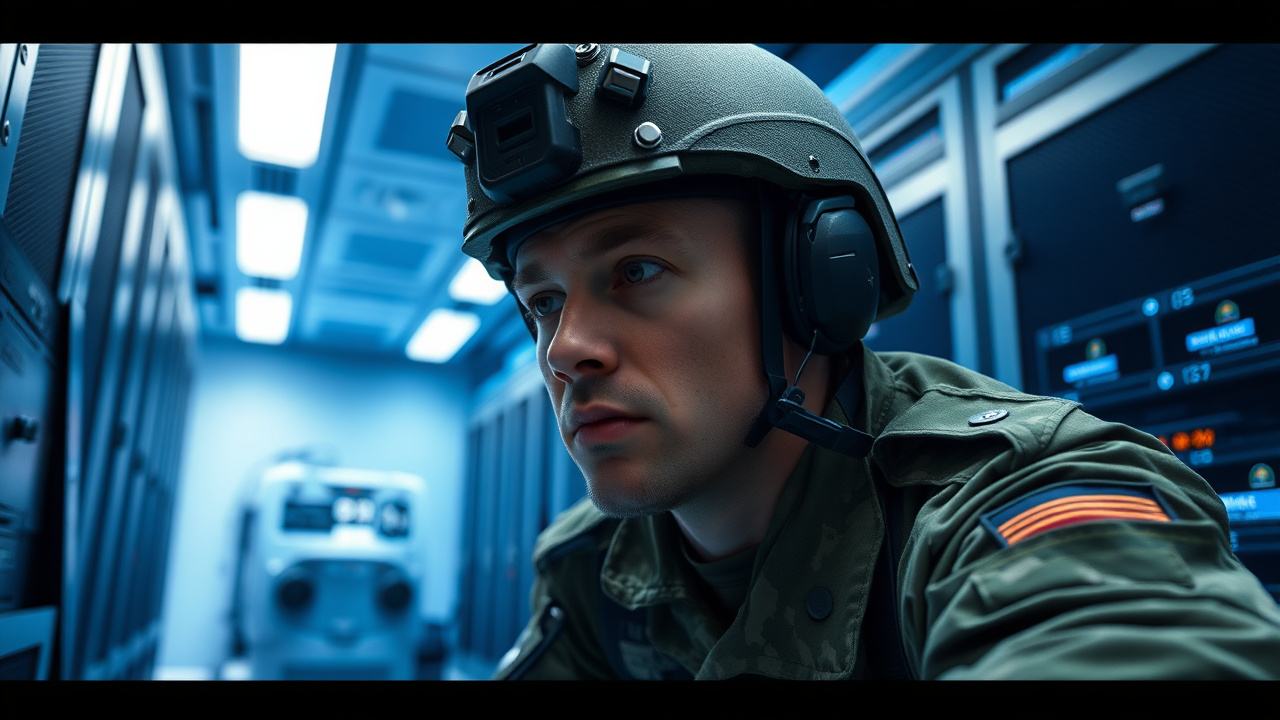
Resumen Ejecutivo
- Nearly 48.5% of National Guard members show signs of PTSD after deployment, highlighting a severe mental health crisis within this group.
- A staggering 85% of soldiers with PTSD also have at least one additional mental health diagnosis, according to research published in PMC.
- Only 27.8% of National Guard members with elevated psychiatric symptoms received treatment at follow-up, leaving thousands without proper care.
Nearly 48.5% of National Guard members exhibit PTSD symptoms post-deployment, revealing a systemic failure in military mental health support systems. This staggering prevalence rate indicates that approximately half of citizen-soldiers return from combat with psychological wounds that often go untreated, creating a ticking time bomb of mental health crises in communities across America.
The Hidden Epidemic: PTSD Rates Among National Guard Members
The statistics paint a grim picture of mental health outcomes for National Guard soldiers. Post-deployment PTSD rates among National Guard members range from 11% to as high as 48.5% in various studies, significantly higher than previously acknowledged by military leadership. These figures represent not abstract numbers but real soldiers returning to civilian life bearing invisible wounds that manifest in depression, anxiety, and intrusive memories. Major General John C. Harris Jr., Adjutant General of Ohio, recently testified before the House Public Safety Committee about the urgent need for increased funding, stating “We require a lot of our service members, and we owe them a lot in return for that… So, providing additional providers on our staff to help us through that process, to help us care for our service members, I think is our obligation.”
The discrepancy between active-duty and National Guard mental health outcomes deserves closer examination. While active component forces report post-deployment mental health problems between 2.7%–35%, reserve components consistently show elevated rates. This disparity highlights a fundamental flaw in the current system where citizen-soldiers receive different levels of care despite facing similar combat exposures. The Wisconsin National Guard soldiers returning home after year-long deployments likely represent thousands facing these exact challenges, with limited access to specialized mental health resources compared to their active-duty counterparts.
The Stigma Barrier: Why Many Don’t Seek Help
Military culture has long perpetuated damaging myths about mental health support, framing help-seeking as a sign of weakness rather than strategic resilience. Josh Wierenga, a behavioral health specialist specializing in military populations, emphasizes that “seeking mental health support is a strategy for success, not a sign of failure.” Yet cultural barriers remain formidable, with only 27.8% of National Guard members with elevated psychiatric symptoms actually receiving treatment at follow-up appointments. This treatment gap represents a systemic failure to address the psychological consequences of modern warfare.
The consequences of untreated PTSD extend far beyond individual suffering. Soldiers who don’t receive appropriate care face increased risks of substance abuse, relationship breakdowns, unemployment, and suicide. The data shows that within different PTSD symptom trajectories, suicidal ideation ranges from 4% among those with resilient profiles to a shocking 51% among those experiencing chronic PTSD symptoms. These figures underscore the deadly urgency of addressing mental health access issues within the National Guard structure.
The Moral Injury Misunderstanding: Beyond PTSD
The mental health community frequently conflates PTSD with moral injury, overlooking distinct treatment approaches that address violations of personal moral beliefs. A 2025 study revealed that nearly 6% of veterans surveyed screened positive for moral injury—a condition characterized by profound guilt, shame, and existential crisis after violating one’s core values during combat operations. Crystal Romero, retired Master Sgt. from the New Mexico Army National Guard, experienced this firsthand, stating “Everything that I believed in was betrayed, and it just killed a big part of me.”
Brett Litz, a leading expert on moral injury, notes that the challenge lies “getting providers and the wider community on the same page about how to define, assess and treat moral injury.” Current PTSD protocols often fail to address the existential wounds that accompany moral injury, leaving soldiers with unresolved guilt and shattered beliefs about their own humanity and the morality of their actions. This treatment gap represents a critical oversight in military mental health frameworks.
Access to Care: The Disparities Between Active Duty and National Guard
The infrastructure gap between active-duty and reserve component mental health care is both quantifiable and devastating. Only 23% of reserve component personnel received adequate care when starting PTSD treatment, compared to 29% of active component service members. This 6 percentage point difference may seem small, but it translates to thousands of soldiers receiving suboptimal care. Follow-up care disparities are even more stark: 54% of reserve component personnel received follow-up care within 7 days of psychiatric hospitalization, compared to 90% of active component members.
Bonnie Schultz, chief of the Air National Guard psychological health program, acknowledges these challenges while highlighting progress. “In 2022, directors of psychological health across 90 wings reported 109,000 in-person encounters with service members and their families,” she notes, demonstrating the scale of existing resources despite systemic limitations. The fundamental problem remains that National Guard members only have access to military health treatment centers when on active-duty status, creating critical gaps during their civilian transitions.
The Future of Support Systems: Changing the Narrative
Preventative approaches represent the most promising direction for addressing National Guard mental health challenges. Programs like Purple Resolve, implemented in Nevada and expanding to Arizona, Vermont, and Connecticut, focus on building resilience before crises develop rather than treating symptoms after they emerge. This prevention-oriented model recognizes that traditional crisis management approaches often arrive too late for soldiers already experiencing severe psychological distress.
The Purple Resolve program specifically targets the unique operational needs of National Guard members, offering tailored support that addresses both deployment-related stressors and reintegration challenges. By focusing on prevention and readiness, such programs aim to reduce the incidence of PTSD and moral injury before they become debilitating conditions. Josh Wierenga advocates for this approach, stating “Our role is about prevention, readiness, and ensuring soldiers get the support they need before things get worse.”
Federalization Controversies and Systemic Challenges
The deployment of National Guard forces during domestic civil unrest represents a controversial practice that adds psychological complexity to reintegration challenges. When Guardsmen are called to suppress protests or maintain order in their own communities, the potential for moral injury increases exponentially. As noted in research from the States United Democracy Center, controversies exist regarding “the federal government deploying the National Guard to deal with domestic civilian unrest, potentially violating state authority.”
These federalization decisions create impossible moral dilemmas for soldiers who must balance their oath to the Constitution with potential conflicts against their own communities. The psychological fallout from such deployments remains poorly understood but likely contributes to the high rates of moral injury observed among returning National Guard members. Crystal Romero’s experience of feeling betrayed by her beliefs reflects the profound identity crises that can result from these complex missions.
Economic and Operational Implications
The mental health crisis among National Guard members carries significant economic costs beyond human suffering. Untreated PTSD leads to decreased productivity, increased healthcare utilization, and higher rates of disability claims. The RAND Corporation estimates that mental health conditions cost the Department of Defense billions annually in lost productivity and medical expenses. For National Guard specifically, these costs compound as members transition between military and civilian roles.
Military readiness suffers when soldiers with untreated mental health conditions cannot deploy effectively or meet fitness standards. Bonnie Schultz notes that “everything is about readiness” in military contexts, and psychological fitness is as critical as physical conditioning. The Air National Guard’s psychological health program reported 126,000 mental health briefings for service members in 2022 alone, indicating the scale of preventative efforts needed to maintain operational effectiveness.
Technological Approaches to Mental Health Support
While traditional therapy remains essential, emerging technologies offer promising tools for National Guard mental health support. Digital platforms can provide confidential assessments and treatment options that overcome stigma barriers. Mobile applications offering cognitive behavioral therapy techniques, mindfulness exercises, and peer support networks have shown particular effectiveness for military populations dealing with PTSD.
Telehealth capabilities have revolutionized access to care, especially for National Guard members living in rural areas far from military treatment facilities. The Department of Veterans Affairs has expanded telemental health services significantly, allowing soldiers to receive specialized care without geographic limitations. These technological solutions complement rather than replace traditional therapy, creating layered support systems for complex psychological needs.
International Comparisons and Best Practices
International militaries have developed innovative approaches to mental health support that could inform U.S. National Guard practices. The Israeli Defense Force, for example, integrates mental health screening directly into unit command structures, making psychological assessment as routine as physical examinations. The Canadian Armed Forces have implemented comprehensive peer support networks that operate alongside professional mental health services.
These models demonstrate that cultural adaptation is key to successful mental health programs. National Guard units, with their dual military-civilian identities, require approaches that bridge both worlds effectively. The Purple Resolve program’s prevention-oriented approach shows promise, but international models suggest that embedding mental health support within unit structures may be even more effective for maintaining readiness while addressing psychological needs.
The Path Forward: Comprehensive Reform
Addressing the National Guard mental health crisis requires systemic changes across multiple domains. Increased funding for psychological health coordinators, as advocated by Major General Harris, represents a necessary first step. The Ohio National Guard’s request for budget increases specifically targets behavioral health care, recognizing that current resources are insufficient for the scale of need.
Beyond funding, cultural transformation is essential. Military leaders must actively destigmatize mental health support while normalizing help-seeking as a sign of strength rather than weakness. Unit-based psychological health programs that integrate seamlessly with training and operations can create environments where mental health receives the same priority as physical fitness and mission readiness.
Data-Driven Outcome Measurement
Current mental health assessment methods often fail to capture the full scope of psychological challenges facing National Guard members. Traditional screening tools may miss moral injury, complex PTSD, and reintegration stressors that don’t neatly fit diagnostic criteria. Developing comprehensive assessment systems that address the full spectrum of military psychological experiences is critical for effective treatment.
Longitudinal studies tracking National Guard mental health outcomes over time would provide invaluable data for improving support systems. Such research could identify which interventions work best for different populations and under what conditions. The existing data showing 41.2% of National Guard members with psychiatric symptoms above clinical cut-off points underscores the urgent need for more sophisticated measurement approaches.
Community Integration and Support Systems
Successful reintegration requires more than individual therapy—it demands comprehensive community support networks. National Guard members returning from deployment face complex challenges in civilian employment, education, and family relationships that military-specific resources alone cannot address. Community-based programs that bridge military and civilian support systems show particular promise for successful reintegration.
Veterans organizations, employer partnerships, and educational institutions all have roles to play in creating welcoming environments for returning National Guardsmen. The Purple Resolve program’s community-focused approach demonstrates how civilian and military resources can combine to address the multifaceted nature of reintegration challenges. Without these comprehensive support systems, even the best clinical treatments may prove insufficient for successful post-deployment adjustment.
The Bottom Line
The mental health crisis among National Guard members represents a systemic failure requiring immediate and comprehensive solutions. With nearly half of returning soldiers exhibiting PTSD symptoms and treatment gaps leaving most without adequate care, the current approach is clearly insufficient. Military leadership must move beyond rhetoric to implement the funding, structural changes, and cultural transformations necessary to address this crisis. Without decisive action, we risk losing more lives to the silent battle of PTSD and moral injury within our ranks, while undermining the very readiness and effectiveness these soldiers are trained to provide.
Methodology and Sources
Related Articles
- Scientists Just Unlocked 99.55% Accuracy in Type Ia Supernovae Simulations
- A Monument to Naivety and Greed
- University Graduates Are Outraged: AI Commencement Speeches Fail to Inspire Genuine Connection
, “publisher”: { “@type”: “Organization”, “name”: “NovumWorld”, “logo”: { “@type”: “ImageObject”, “url”: “https://novumworld.com/images/logo.png" } } }
