Crocs Crackdown: Is This The End Of Airport Comfort? Flight Safety Fears Soar
NovumWorld Editorial Team
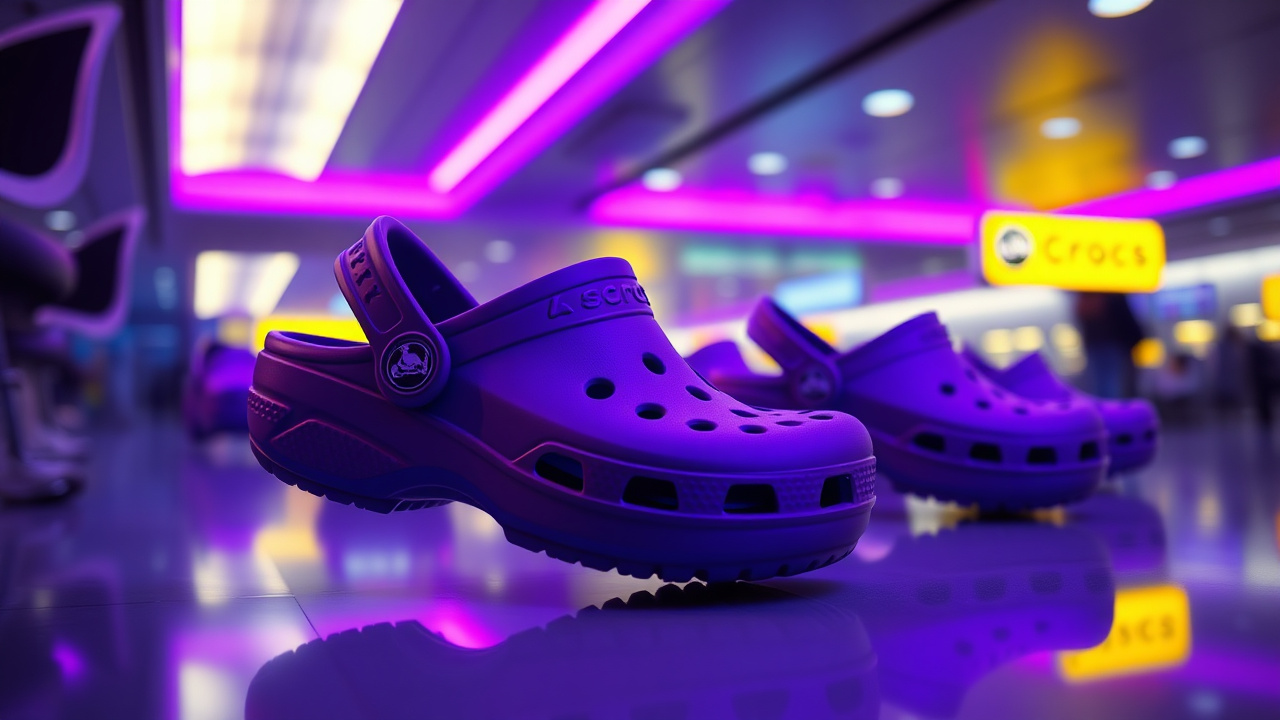
Comfort is about to become a privilege, not a right. The era of airport comfort, defined by Crocs and pajamas, may face turbulence as security concerns and debates over appropriate airport fashion intensify.
- By 2026, comfortable travel attire, including Crocs and pajamas, faces increased scrutiny due to heightened security concerns and debates about appropriate airport fashion.
- 52% of U.S. travelers purchased new clothing specifically for a trip in the past year, highlighting the continued importance of airport fashion.
- Travelers should expect stricter enforcement of airline dress codes and potential delays due to clothing choices, requiring a balance between comfort and security compliance.
The $21.6 Billion Question: Comfort vs. Compliance
The intersection of comfort-driven airport fashion and stringent security protocols is creating a battleground for travelers. Pajamas, leggings, and other comfy outfits once considered perfectly acceptable for navigating terminals now spark controversy, fueled by social media debates and the subtle nudges of public figures.
The underlying tension here is one of access: who gets to be comfortable, and who decides what’s acceptable. Are we sacrificing individuality and comfort for the sake of perceived security, or are there legitimate safety concerns driving the potential crackdown on comfy travel attire?
Sean Duffy, U.S. Secretary of Transportation (November 2025), subtly fueled this debate by encouraging passengers to dress “well and smartly” at airports, implying that appearance influences how authorities treat travelers. This sentiment, whether intentionally elitist or not, touches on a deeper issue of how socioeconomic factors play into the travel experience.
The growth of the global pajama market, expected to reach roughly $21.5 billion by 2035, underscores a broader cultural shift towards prioritizing comfort. This clashes directly with the potential for increased scrutiny of comfortable clothing at airports, suggesting a possible disconnect between consumer demand and security policies. Will airports and airlines double down on dress codes that stifle comfort, or will they adapt to accommodate the evolving preferences of travelers who prioritize coziness?
The focus on appearing “put together” for travel has arguably become a status symbol, amplified by influencers and the relentless pressure to present an idealized version of ourselves online. This performative aspect of travel clashes with the practical needs of long flights, layovers, and the general chaos of modern airports.
Tampa’s Pajama Panic: When Comfort Clashes with Class, according to Reuters
Tampa International Airport ignited a social media firestorm by jokingly “banning” pajamas, highlighting the subjective and often class-laden nature of airport fashion.
The playful pajama ban was met with both outrage and amusement, underscoring how deeply ingrained the comfort-versus-appearance debate has become in travel culture. Some travelers embraced pajamas as a symbol of comfort and defiance, sparking the #pajamaresistance, while others viewed the attire as inappropriate for public spaces.
This seemingly lighthearted controversy exposes a more profound issue: the democratization of travel versus the desire to maintain certain standards of decorum. While air travel has become more accessible to diverse socioeconomic groups, there remains a persistent tension between comfort and what some consider “proper” airport attire.
The pajama debate reflects broader anxieties about the erosion of traditional social norms and the increasing casualization of public life. The question becomes: Does prioritizing comfort signal a decline in standards, or does it represent a necessary adaptation to the stresses of modern travel? Fox News reported that the fake pajama ban even inspired people to wear pajamas to the airport in protest.
The debate also raises the question of whether dress codes are truly about maintaining order and respectability, or if they serve as a subtle form of social gatekeeping, reinforcing existing power structures.
The Influencer Ignored: Practicality vs. Picturesque
Travel influencers wield considerable power over shaping trends, but their emphasis on aesthetics over practicality can lead to disastrous travel choices.
The pressure to curate the “perfect” travel aesthetic on social media often encourages travelers to prioritize style over comfort and safety. Outfits chosen for Instagram appeal may be impractical for navigating airports, enduring long flights, or adapting to unpredictable weather conditions.
Megan, a YouTuber known as Portable Professional, offers a counter-narrative by recommending practical travel attire. She advises against wearing white or light-colored clothing due to potential spills and suggests comfortable, non-slip shoes for navigating airport terminals. Her advice underscores the importance of prioritizing comfort and functionality over fleeting trends.
The disconnect between influencer-driven trends and practical travel considerations highlights a larger issue of authenticity in the digital age. Are travelers genuinely enjoying their experiences, or are they primarily focused on creating a visually appealing narrative for social media?
The rise of the “airport tray aesthetic,” where travelers meticulously arrange their belongings for Instagram photos, exemplifies this tension. While visually appealing, this trend has drawn criticism for potentially slowing down security lines and prioritizing image over efficiency. Gen Z’s focus on airport aesthetic is documented by Travel in Style
The Uniform Uncertainty: Hidden Hazards and Health Concerns
Beyond dress codes and aesthetics, clothing itself can pose hidden hazards and health risks. The materials used in clothing, as well as the way clothing is worn, can impact traveler safety and well-being.
The lawsuit filed by some American Airlines flight attendants against a uniform manufacturer underscores the potential health risks associated with certain fabrics and chemicals. The flight attendants claimed that chemicals in the uniforms caused dermatological and respiratory issues.
Tight or restrictive clothing can also pose health concerns during long flights, potentially impeding circulation and increasing the risk of deep vein thrombosis. Similarly, certain types of jewelry or accessories may trigger security alarms or cause discomfort during prolonged periods of sitting.
The increasing use of technology in clothing, such as smart fabrics and wearable sensors, raises new questions about safety and privacy. Concerns exist regarding the potential for electromagnetic interference with aircraft systems and the collection of personal data through clothing.
Airlines are unlikely to begin monitoring individual passengers for these concerns, but it shows how easily our pursuit of comfort can turn against us.
Beyond the Boarding Pass: Redefining Airport Style in 2026
As travelers become more experience-driven and culturally aware, airport fashion may evolve beyond mere comfort or aesthetics. The shift towards purposeful travel and cultural immersion could influence clothing choices, with travelers opting for attire that reflects their destinations and activities.
Rob DelliBovi of RDB Hospitality Group notes that the post-pandemic travel mindset is shifting towards purposeful, experience-driven travel that prioritizes cultural immersion and authenticity. This trend suggests that travelers in 2026 may prioritize clothing that is both comfortable and culturally appropriate, reflecting a deeper understanding of the destinations they visit.
The focus on sustainability and ethical fashion could also impact airport style, with travelers seeking out clothing made from eco-friendly materials and produced under fair labor conditions.
The growing popularity of slow travel and longer trips may further influence clothing choices, with travelers opting for versatile and durable items that can be easily mixed and matched for various occasions.
As travelers prioritize meaningful experiences and cultural understanding, airport fashion could become less about superficial trends and more about expressing individuality and respect for local cultures.
The Bottom Line
Choose practicality and compliance with dress codes (while balancing comfort), as security and airline policies are becoming increasingly stringent.
Before your next flight, check your airline’s specific dress code and TSA guidelines to avoid potential delays or denied boarding. The TSA explains how clothing choices can impact your experience.
Comfort is key, but compliance is queen.