Niklas Edin's Fury: Is Curling's Biggest Cheating Problem About to Explode?
NovumWorld Editorial Team
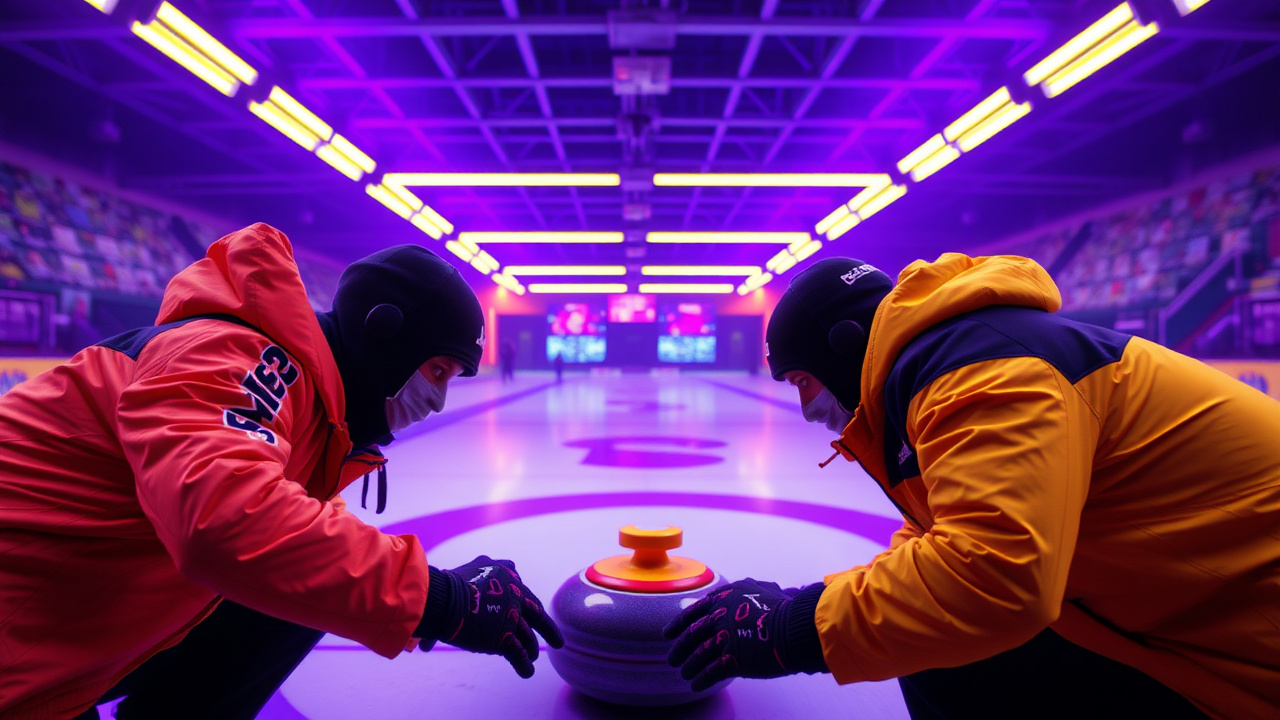
Niklas Edin believes curling has a cheating problem that’s worse than doping. The sport’s reliance on tradition over technology is about to face its biggest test.
Niklas Edin believes double-touching rule infractions in curling are worse than doping and constitute the biggest form of cheating in the sport.
The U.S. sports officiating technologies market is projected to reach USD 3.95 billion by 2032, growing at a CAGR of 19.82%.
Curling faces a critical decision: embrace technology like VAR to ensure fair play, risking slowing down the game, or maintain its traditional self-officiating approach and risk further cheating accusations.
Niklas Edin’s Fury: Will Modernization Save Curling’s Integrity?
Curling is facing an integrity crisis centered around the double touch rule. The double touch rule states that if a curler touches a stone after releasing it but before it crosses the hog line, it should be removed from play. Niklas Edin, a highly respected figure in the sport, has publicly condemned what he sees as rampant cheating enabled by the lack of technological oversight.
Edin stated, “For me, this is by far the biggest cheating we have had in curling — and somehow, it has become somewhat accepted” (search results). Edin believes this undermines the very foundation of fair play. The “double touch” rule dictates that a delivered stone touched by the delivering team between the near t-line and the far hog line must be removed from play.
Edin’s comments suggest a systemic problem where violations are either missed by officials or tolerated within the sport’s culture. This raises questions about the future of curling if it cannot ensure a level playing field. Curling must decide if it is ready to embrace the tools necessary to maintain its integrity.
World Curling’s Double Standard: How “Spirit of Curling” Enables Cheating, according to Reuters
The “spirit of curling,” a tradition of self-officiating and sportsmanship, is increasingly at odds with the realities of high-stakes competition. This emphasis on ethical play and self-regulation has historically been a point of pride. However, the rise in cheating accusations suggests that this system is no longer sufficient.
World Curling initially attempted to address the double-touch controversy by increasing umpire monitoring, but this decision was quickly reversed after pushback from teams (search results). This reversal demonstrates the deep resistance to change within the curling community. Beau Welling, President of World Curling, acknowledged the “growing pains of balancing tradition with modern culture and society” (search results).
The problem isn’t simply the rule itself but the culture surrounding its enforcement. If the players themselves are resistant to stricter officiating, it creates a situation where cheating can easily occur. This conflict between self-governance and competitive pressure is at the heart of curling’s current crisis.
The VAR Blind Spot: Why Curling Ignores Technological Solutions
Video Assistant Referee (VAR) technology has become commonplace in many sports, providing officials with the ability to review close calls and ensure accuracy. Curling has remained resistant to adopting similar technologies, clinging to its traditional methods. Curling’s underestimation of VAR’s potential is a critical oversight.
Hammy McMillan Jr., a prominent curler, has advocated for the adoption of VAR. McMillan Jr. suggested adopting technology like VAR or Hawk-Eye, stating, “You bring in VAR or Hawk-Eye, and each team gets a challenge or two, so you’ve got to be dead certain that somebody did that (violation)” (search results). The lack of video replays in curling is becoming increasingly glaring, especially in light of controversies surrounding the double-touch rule and other infractions.
The existing reliance on the “spirit of curling” and self-governance has proven inadequate, leading to calls for modernization and video review technology. If a sport is unwilling to embrace technology to ensure fair play, it risks losing credibility. Curling’s refusal to adopt VAR is potentially damaging to its long-term viability.
The Sophie Jackson Paradox: Concerns Mask Resistance to Change
Sophie Jackson, a curler on the British women’s team, has voiced concerns that adding video replays could slow down the game (search results). This highlights a common concern with technology in sports: the potential to disrupt the flow and rhythm of the competition. Jackson’s concerns are valid, as excessive delays can detract from the viewing experience.
However, prioritizing speed over accuracy is problematic. The integrity of the game should always be the primary concern, and if video replays are necessary to ensure fair play, then the sport must find a way to implement them efficiently. The fear of slowing down the game may be masking a deeper resistance to change within the curling community.
Prioritizing the “pace of play” above fair officiating is a dangerous path for curling. Maintaining a reasonable game duration is important, but it should not come at the expense of integrity and accuracy. Ultimately, finding a balance that preserves the essence of the sport while ensuring that it’s played fairly is crucial.
Curling’s Choice: Integrity or Tradition?
Curling is at a crossroads and must decide whether to prioritize its traditions or embrace modernization to ensure fair play. The U.S. sports officiating technologies market is projected to reach USD 3.95 billion by 2032 (search results), indicating substantial potential investment in technology to address officiating problems. The question is whether curling is willing to make the necessary changes.
The double-touch controversy has exposed the weaknesses of the current self-officiating system, leading to accusations of cheating and foul language (search results). This undermines the sport’s reputation for fair play and sportsmanship. Change is essential for the long-term health and viability of curling.
The sport must be willing to adapt to the demands of modern competition and embrace technology to ensure it remains fair and credible. Tradition alone won’t save it.
The Verdict
Curling must embrace technology to safeguard its future. World Curling should invest in a VAR-like system for high-stakes matches and implement it without delay.