Andrew Tate's TikTok Army: How They Manipulated the Algorithm (And Got Rich).
NovumWorld Editorial Team
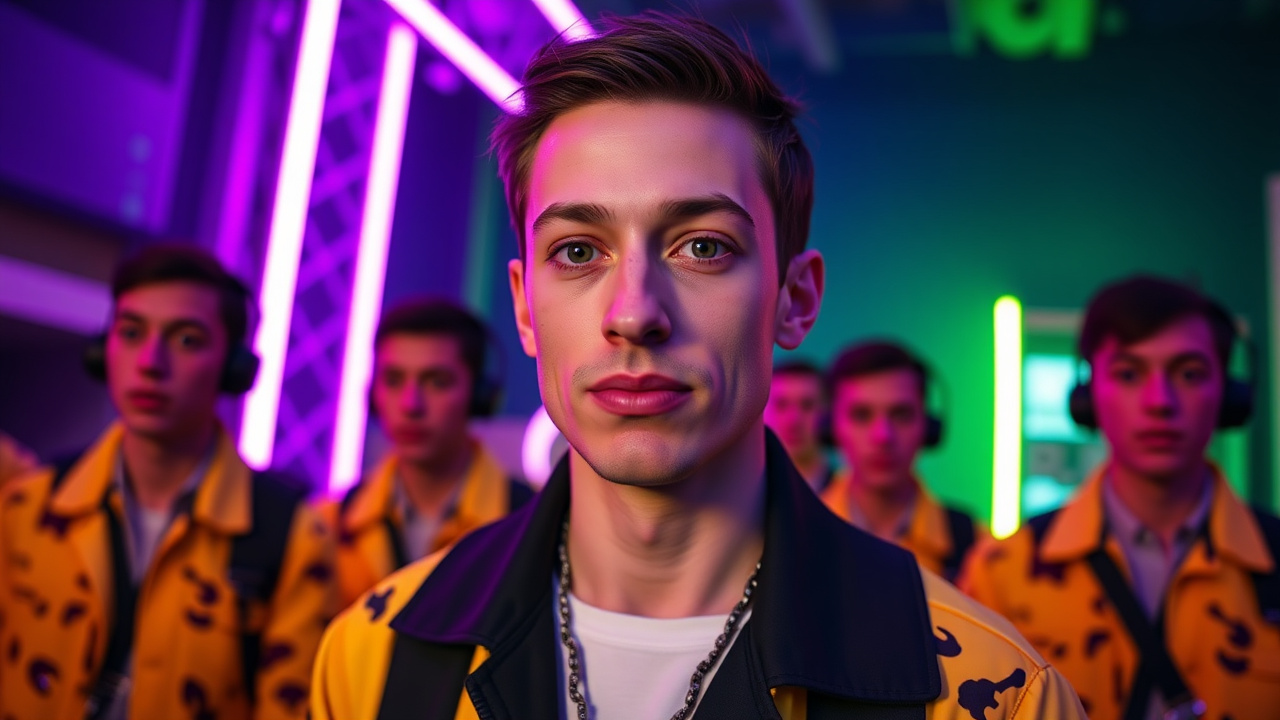
Andrew Tate’s TikTok army turned misogyny into a viral marketing scheme. The platforms amplifying these voices risk more than just reputational damage.
- Andrew Tate’s followers allegedly manipulated the TikTok algorithm by posting controversial clips to maximize views and engagement.
- TikTok’s Creator Rewards Program can pay creators between $0.40 and $1.00+ per 1,000 views, incentivizing the spread of viral content, according to Thornberry Media.
- Tech professionals and analysts should be wary of platforms whose algorithms prioritize short-term engagement over ethical considerations, potentially harming brand reputation and societal well-being.
The $6 Million OnlyFans Backlash
Anna Paul, an Australian influencer, epitomizes the new generation of digital entrepreneurs, but her path hasn’t been without controversy. She built a massive following through TikTok and OnlyFans, attracting both admiration and criticism.
As of 2022, Anna Paul’s net worth was estimated to be between $6 million and $7 million, according to LADbible. That’s a hefty sum built on short-form video and subscription-based content. But her story highlights a darker side of the creator economy. The intense pressure to stay relevant and the constant pursuit of engagement can lead to questionable choices, including aligning with figures like Andrew Tate. Some sources say that Anna Paul has faced controversies related to claims of faking her background and unethical practices related to her OnlyFans content.
The rise of influencers like Paul raises questions about the ethics of content creation. How far should creators go to attract attention and monetize their platforms. The line between harmless entertainment and harmful exploitation becomes increasingly blurred in the pursuit of viral fame. The digital landscape is littered with cautionary tales of influencers who prioritized profit over principles.
This isn’t just about one influencer. It’s a symptom of a larger systemic issue: the relentless pursuit of growth at any cost. Platforms incentivize creators to maximize engagement, often rewarding sensationalism and controversy. This creates a perverse incentive structure where harmful content can thrive.
The pursuit of views and subscribers can often lead to the exploitation of parasocial relationships, with creators blurring the lines between their public persona and private lives. This exploitation can take many forms, from promoting harmful products to engaging in deceptive marketing practices. The pressure to constantly deliver new and exciting content can also take a toll on creators’ mental health, leading to burnout and a detachment from reality.
TikTok’s “User Value” Problem, according to Reuters
TikTok’s algorithm, designed to maximize “user value,” has inadvertently created a breeding ground for controversial and often harmful content. This algorithm, while effective at capturing and maintaining user attention, prioritizes engagement metrics over ethical considerations.
Social media expert Kelley Cotter (Penn State) explained that TikTok’s algorithm optimizes for quantifiable measures like likes, comments, shares, and time spent on the app. This focus on short-term gains can lead to the amplification of sensational content, regardless of its potential harm. The platform’s incentive structure inadvertently rewards creators who push boundaries, often at the expense of responsible content creation.
It’s a classic example of optimizing for the wrong metrics. While engagement is easy to measure, it doesn’t necessarily reflect genuine user satisfaction or long-term value. TikTok’s relentless pursuit of user attention has created an environment where controversy thrives, and thoughtful, nuanced content struggles to compete.
The challenge for TikTok lies in recalibrating its algorithm to prioritize quality over quantity. This requires a fundamental shift in how the platform measures “user value,” moving beyond simple engagement metrics to incorporate factors like accuracy, educational value, and positive social impact. It’s a complex task, but one that is essential for the long-term health and sustainability of the platform. The current system makes you wonder whose values are being served.
Furthermore, TikTok’s algorithm perpetuates echo chambers, where users are primarily exposed to content that confirms their existing beliefs. This can lead to increased polarization and a lack of exposure to diverse perspectives. By prioritizing engagement over diversity, TikTok risks creating a fragmented and divided online community. This dynamic is particularly dangerous when dealing with sensitive topics like politics, social justice, and public health.
The Center for Countering Digital Hate’s Algorithm Warning
The Center for Countering Digital Hate (CCDH) has issued a stark warning about TikTok’s role in amplifying misogynistic content, particularly that of Andrew Tate. The CCDH’s research highlights the dangers of algorithms that prioritize engagement over ethical considerations, leading to the rapid spread of harmful narratives.
Callum Hood (Center for Countering Digital Hate) stated that TikTok aggressively recommends similar content after a user pauses momentarily on a video. This creates a feedback loop, where users are increasingly exposed to content that reinforces their existing biases, regardless of its potential harm. This algorithmic amplification has allowed figures like Andrew Tate to gain a massive following, despite their controversial and often hateful views.
The CCDH’s findings underscore the urgent need for greater algorithmic transparency and accountability. Platforms like TikTok must take responsibility for the content they amplify and implement measures to prevent the spread of harmful misinformation and hate speech. This includes investing in robust content moderation systems and working with independent researchers to identify and address algorithmic biases.
The focus on quantifiable metrics has created a system where controversy thrives. It’s easier to get attention with outrage, but at what cost. The platform must actively seek out and promote diverse and thoughtful content, ensuring that all voices are heard, not just the loudest and most sensational.
The TikTok algorithm also struggles to differentiate between genuine interest and hate-watching. A user who pauses on a video to express their disgust is still counted as engaged, leading to further amplification of the content. This flaw in the algorithm has been exploited by those seeking to spread misinformation and hate speech, allowing them to reach a wider audience than they otherwise would.
Shadowbanning’s Hidden Costs
Shadowbanning, a practice where a user’s content is hidden from some or all other users without their knowledge, is a blunt instrument with unintended consequences. While intended to curb harmful behavior, it can also stifle legitimate voices and erode trust in the platform.
Signs of a shadowban include a drastic drop in engagement, content not appearing on the For You page, and hashtags not working. Users may need to contact TikTok Support to resolve shadowbans. This lack of transparency can lead to frustration and distrust, as users struggle to understand why their content is not reaching its intended audience.
The opacity of shadowbanning creates a chilling effect, discouraging users from expressing controversial or unpopular opinions. This can stifle important conversations and limit the diversity of perspectives on the platform. The lack of due process also raises concerns about censorship, as platforms wield the power to silence voices without providing clear explanations or opportunities for appeal.
It’s a black box approach to content moderation, relying on algorithms and internal guidelines that are often shrouded in secrecy. This lack of transparency makes it difficult for users to understand what constitutes a violation of the platform’s policies and how to avoid being shadowbanned. The resulting confusion and uncertainty can undermine trust in the platform and its commitment to free expression.
While shadowbanning may be effective in suppressing harmful content in some cases, it also carries the risk of silencing marginalized voices and stifling dissent. The platform must strike a delicate balance between protecting its users from harmful content and preserving the freedom of expression. This requires a more transparent and accountable approach to content moderation, one that prioritizes due process and respects the rights of its users.
The Misogyny Monetization Trap: What’s Next?
TikTok’s nearly 2 billion active users present a massive opportunity for creators, but also a significant responsibility for the platform. The monetization of misogyny, as seen with figures like Andrew Tate, highlights the urgent need for stricter content moderation policies and algorithmic accountability.
The platform’s Creator Rewards Program, which pays creators based on views, inadvertently incentivizes the spread of sensational and often harmful content. This creates a perverse incentive structure where misogyny can be profitable, leading to its further amplification and normalization.
The challenge for TikTok lies in decoupling monetization from engagement metrics. The platform must find ways to reward creators who produce high-quality, ethical content, rather than simply prioritizing those who generate the most views. This may involve implementing stricter content guidelines, investing in more robust content moderation systems, and working with independent researchers to identify and address algorithmic biases.
It’s time for TikTok to prioritize the well-being of its users over short-term profits. The platform must recognize that its algorithms have a real-world impact on society, shaping attitudes, beliefs, and behaviors. By taking a more proactive and responsible approach to content moderation, TikTok can help create a safer and more inclusive online community.
The platform can implement a tiered monetization system, where creators are rewarded based on the quality and ethical standards of their content, rather than simply the number of views they generate. This would incentivize creators to produce thoughtful, nuanced content that contributes to positive social impact.
The Bottom Line
The Andrew Tate saga serves as a stark reminder of the power and responsibility of social media platforms. It’s time for stricter algorithmic accountability.
Demand transparent content moderation policies from social media platforms. Don’t feed the trolls.