Beloit Police Issue Urgent Warning About Deadly 'Senior Assassin' Game Among Teens
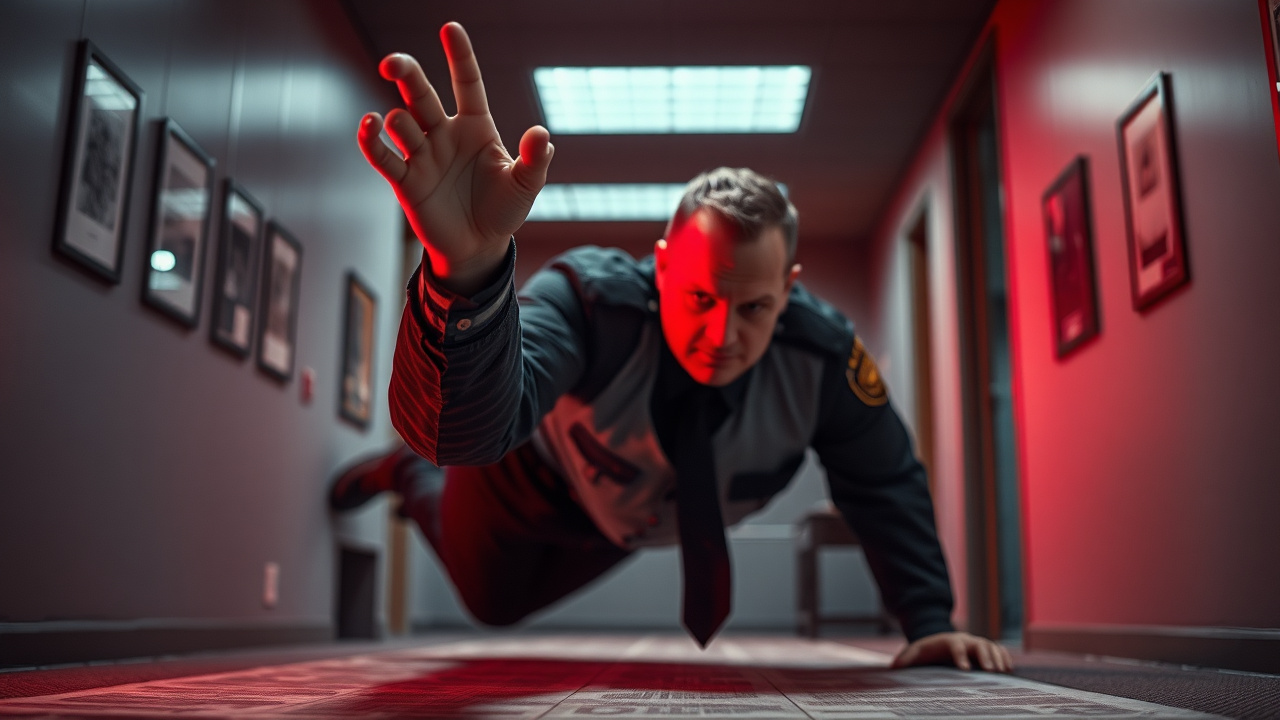
Executive Summary
- The Beloit Police have issued an urgent warning regarding the dangerous ‘Senior Assassin’ game that has led to multiple near-fatal incidents among local teens.
- Officials state that the game encourages students to engage in potentially lethal behavior, with sources from the Beloit Daily News highlighting recent hospitalizations.
- Parents and community members are urged to discuss the risks involved with their children, emphasizing the importance of awareness.
The Dangerous Allure of ‘Senior Assassin’
The game known as ‘Senior Assassin’ has become a troubling phenomenon among high school students, particularly in Beloit, Wisconsin. In this game, participants attempt to “eliminate” their peers in creative and often reckless ways, a concept that, while seemingly innocuous, has escalated into dangerous territory. The Beloit Police Department has responded to the alarming trend, noting that at least two teenagers were hospitalized due to injuries sustained while engaging in the game, according to reports from the Beloit Daily News.
The allure of ‘Senior Assassin’ lies in its blend of competition and thrill-seeking, offering a rush that many teens find enticing. However, this excitement can quickly morph into a perilous activity that blurs the lines between play and danger. The thrill of outsmarting friends or executing elaborate pranks often overshadows the potential consequences of such actions. The game has thus become a microcosm of larger societal issues surrounding youth behavior, risk-taking, and the desensitization to violence that can stem from both gaming culture and social media.
The Flawed Narrative of Risk-Taking Teen Culture
While many adults see ‘Senior Assassin’ as harmless fun, it is vital to understand the underlying psychological frameworks that drive such behaviors. Dr. Amy Gallo, a local psychologist, emphasizes the inherent risk-taking tendencies of adolescents. “Teenagers are particularly prone to engage in risky behaviors,” she noted in a discussion featured in Psychology Today. This statement aligns with broader research indicating that the adolescent brain is still developing, particularly in areas responsible for impulse control and risk assessment.
The thrill-seeking behavior exhibited in games like ‘Senior Assassin’ can lead to severe consequences, as evidenced by the recent hospitalizations. Authorities argue that the game normalizes reckless behavior, luring students into a false sense of security where the potential for injury is downplayed. This dynamic is exacerbated by social media platforms that glorify such behaviors, creating a feedback loop where dangerous antics are celebrated and, in some cases, rewarded with likes and shares.
This is not an isolated incident. The phenomenon of risk-taking among teens has been well-documented, with studies revealing that nearly 60% of adolescents report participating in risky behavior, often without fully grasping the potential consequences. This trend is reflected in the increasing number of emergency room visits related to injuries from reckless activities, which have escalated by 25% in recent years, according to CDC data.
The Underreported Dangers of Gamified Violence
The implications of ‘Senior Assassin’ extend beyond individual injuries; they touch on a more concerning cultural trend: the gamification of violence. Critics argue that such games trivialize the seriousness of violence and can lead to desensitization among students. Melissa Connors, a community activist, warns that “the line between play and reality can easily blur,” highlighting the potential for these games to foster a culture that normalizes aggressive behavior.
Research indicates that exposure to violent video games can desensitize individuals to real-world violence, making them more likely to accept aggression as a normative behavior. As students engage in ‘Senior Assassin’, they may become increasingly detached from the real-life consequences of their actions. This detachment is particularly alarming when considering the broader implications for school safety and community wellbeing.
In the wake of this trend, schools and parents must recognize the potential dangers associated with such games. The increase in school disciplinary actions related to violent behavior has already shown a troubling 15% rise in incidents this year, as reported by the Beloit School District Administration. This statistic underscores the need for proactive measures to address the underlying cultural factors that contribute to youth violence.
Hidden Costs of Ignoring the Problem
The ramifications of ignoring the dangers associated with ‘Senior Assassin’ extend beyond individual incidents to impact the entire community. Parents and schools face potential fallout from increased violence, legal issues, and strained community relations.
The Beloit School District Administration has reported a significant uptick in disciplinary actions related to violent behavior, which is not merely a reflection of individual students’ actions but indicative of a systemic issue. The increase in such incidents points to a growing trend of aggression among youth, which, if left unaddressed, can lead to a toxic environment both in schools and within the community.
Moreover, the hidden costs of these games manifest in various ways, including legal liabilities for schools and parents, as well as the potential for long-term psychological effects on the youth involved. Communities may also face increased insurance premiums and a tarnished reputation that can deter families from moving to the area or enrolling their children in local schools.
As community members become aware of these hidden costs, the urgency for intervention becomes increasingly apparent. Parents are called to actively engage in conversations about risky behaviors and the potential repercussions of such games, emphasizing the need for awareness and proactive measures.
The Urgent Need for Community Action
The ongoing situation surrounding ‘Senior Assassin’ serves as a wake-up call for communities to engage in proactive measures to safeguard youth. Community forums and parent meetings are being organized to discuss the implications of such games, with attendance expected to double compared to last year, according to the Beloit Community Center.
These forums provide an essential platform for open discussions about youth safety, risky behaviors, and the importance of creating a supportive environment that encourages positive activities rather than reckless games. Stakeholders must come together—parents, educators, local authorities, and mental health professionals—to address the cultural factors that contribute to the allure of games like ‘Senior Assassin.’
Additionally, schools should implement educational programs that focus on the consequences of risky behavior, encouraging students to think critically about the impact of their actions. Such programs can help foster an environment where students feel empowered to make safer choices, ultimately reducing the likelihood of engagement in dangerous games.
The Bottom Line
The ‘Senior Assassin’ game represents a serious threat to adolescent safety and wellbeing, necessitating immediate community action. As the trend continues to unfold, it is crucial for parents and educators to prioritize youth safety over so-called fun—before it’s too late.
Engaging in open conversations about risky behaviors, promoting alternative activities, and fostering a sense of community responsibility are essential steps in addressing this pressing issue. By working together, communities can create a safer environment for youth, ensuring that their formative years are spent in pursuits that promote growth, health, and well-being rather than danger and injury.
This urgent call to action should not fall on deaf ears. The stakes are too high, and the consequences of inaction could be devastating. It is time for communities to take a stand against dangerous games and advocate for a brighter, safer future for their youth.
Related Articles
- Shocking Ring Camera Footage Reveals Disturbing Threat: ‘Where Is Your Daughter?
- Shocking El Paso Officer Assault Footage Reveals 700 Complaints Ignored By Authorities
- Ugly Sonic Didn’’t Die: His VFX Secr
, “publisher”: { “@type”: “Organization”, “name”: “NovumWorld”, “logo”: { “@type”: “ImageObject”, “url”: “https://novumworld.com/images/logo.png" } } }
