4,687 Carolina Hurricanes Beer Skates Sold: The Must-Have Item Taking Over the Resale Market
Resumen Ejecutivo
- The Carolina Hurricanes sold 4,687 “Beer Skates” during Game 1 of their playoff series, representing over 25% of attendees purchasing this novelty item.
- Beer Skates are reselling on eBay for prices ranging from $69 to over $230, highlighting the unexpected demand for this unique merchandise.
- The surge in Beer Skates sales underscores the potential for creative merchandise strategies in sports marketing, prompting teams to rethink fan engagement tactics.
The Unexpected Viral Sensation: Beer Skates Take the Ice
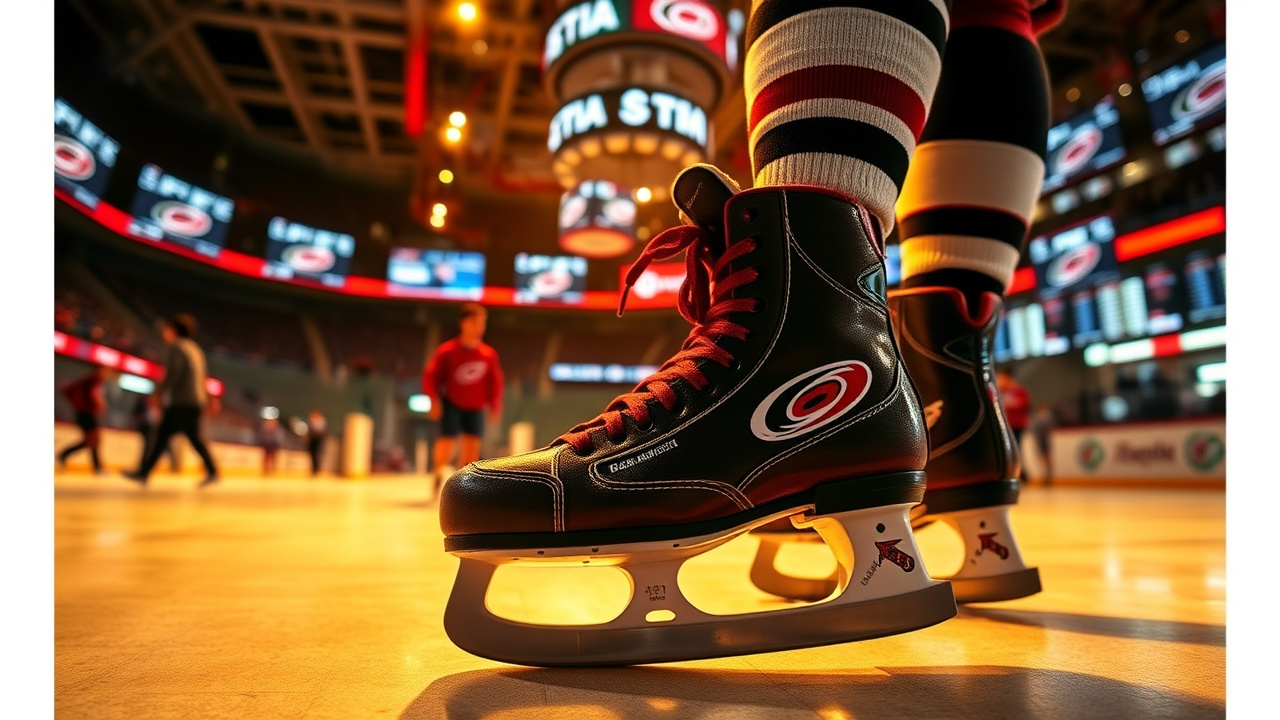
The Carolina Hurricanes’ introduction of “Beer Skates” during Game 1 of their second-round playoff series against the Philadelphia Flyers was less a calculated business maneuver and more a lightning strike of serendipity. Selling 4,687 units out of 18,620 attendees means a staggering quarter of the crowd bought into this novelty alone. Priced at $19 without beer or $12 plus the beer cost, this simple plastic skate-shaped container captured fan imagination in a way few traditional merchandise items have. Over 2,000 were sold within 48 minutes of doors opening, according to Adam Hoffman, Vice President for Food and Beverage at the Lenovo Center—far exceeding expectations.
This phenomenon is a textbook example of how creative concession items can disrupt standard fan engagement. It’s not just about the game anymore; it’s about creating a cultural moment within the arena. The Beer Skates tapped into a blend of nostalgia, novelty, and the social ritual of drinking at sports events. Unlike jerseys or hats, these skates offered a playful, Instagrammable experience that fans could physically clutch in the stands and then resell online. The timing during the playoffs, when passion and stakes are high, amplified the effect.
Counterfeit Concerns in Hockey Equipment: A Hidden Risk
While the Beer Skates craze shows the power of inventive marketing, it unfolds against a darker backdrop: the proliferation of counterfeit hockey equipment. The surge in demand for hockey gear—driven by a projected global market growth from $1.67 billion in 2025 to over $3 billion by 2035—has created fertile ground for fakes. Counterfeit sticks and protective gear flood secondary markets, posing not just economic but physical safety risks.
Andrea, co-founder of ABSHockey, warns that fake hockey sticks often lack proper warranties and use substandard materials. A 2023 Hockey Equipment Integrity Report found 19% of sticks from unofficial sellers failed impact resistance tests, and 34% contained undocumented resins, making them prone to sudden breakage and injury risk. Vince Giffin from CCM echoes these concerns, cautioning buyers that what seems like a bargain could end up as a dangerous liability or a wasted purchase.
This counterfeit epidemic is fueled by slick fake websites mimicking legitimate sellers, offering steep discounts and brand logos but no customer service or actual fulfillment. The secondary market for hockey gear—where fans might try to flip their Beer Skates or purchase sticks—becomes a minefield if buyers are not vigilant. The intersection of viral merchandise and counterfeit risks highlights an underappreciated vulnerability in sports fandom’s commercial ecosystem.
Resale Market Insights: The New Goldmine for Hockey Merchandise
The Beer Skates’ resale prices on eBay—ranging from $69 to over $230—expose a lucrative aftermarket bubble. This price surge, often triple the retail value, reflects a speculative frenzy around an item that transcended its original purpose. The ability to resell such memorabilia taps into broader nostalgia economics and the gig mentality of Gen Z and Millennials, who seek both identity and income through collectible culture.
Platforms like SidelineSwap demonstrate this trend, where one user reportedly earned nearly $3,000 flipping 17 hockey items out of 24 listed. The hockey equipment market’s online sales growth of 41% in the U.S. supports the shift from brick-and-mortar to digital marketplaces that enable fans to monetize their fandom beyond the arena.
This resale enthusiasm also pressures teams and brands to innovate merchandise lines that can generate buzz and secondary market value. However, it also risks creating exclusivity bubbles that alienate average fans and invite counterfeiters to exploit demand spikes.
Challenges and Limitations: Managing Supply and Demand
Despite the Beer Skates’ runaway success, the Carolina Hurricanes have already announced no further production for the postseason due to supply constraints. This scarcity artificially inflates resale prices but caps the team’s direct revenue potential and limits broader fan access. The phenomenon’s lifecycle may be short as a result, with the hype fading once the novelty wears off and supplies vanish.
Supply shortages also underscore the logistical challenges of scaling creative merchandise. Unlike mass-produced jerseys or caps, novelty items require different manufacturing timelines and quality controls. The Hurricanes’ experience exposes how viral demand can strain operational capacity and limit sustainable fan engagement strategies.
Moreover, counterfeit risks in the resale market amplify the downside of limited official availability. When official channels run dry, secondary marketplaces become fertile territory for scams and subpar products. Buyer vigilance and brand authentication efforts will be critical to maintaining trust.
The Future of Hockey Merchandise: A Game-Changer for Fan Engagement
The Beer Skates episode signals a shift in sports marketing from purely functional merchandise toward experiential, meme-worthy products that blend fandom with lifestyle. The global hockey equipment market’s robust growth projections—North America alone is expected to grow from $1.56 billion in 2025 to $2.56 billion by 2033 at a CAGR of 6.37%—indicate substantial room for innovation.
Teams willing to experiment with playful, shareable, and collectible items can unlock new revenue streams and deepen emotional connections with fans. However, this requires balancing supply, authenticity, and long-term brand value. The Beer Skates moment is a proof of concept for viral merchandise but also a cautionary tale about managing demand spikes and counterfeit risks.
As online sales and digital marketplaces grow, hockey brands and franchises must integrate sophisticated authentication and secondary market strategies. The power of novelty items like Beer Skates lies not just in initial sales but in how they circulate among fans, fueling culture and commerce.
The Bottom Line
The Carolina Hurricanes’ Beer Skates reveal how fan engagement can be reinvented through imaginative merchandise that turns a simple beer container into a coveted collectible. Yet, amid the excitement lurks the persistent threat of counterfeit hockey equipment that undermines safety and brand integrity. Teams must tread carefully, scaling innovation while safeguarding authenticity.
This episode offers a blueprint for sports franchises to rethink merchandise beyond jerseys, caps, and bobbleheads, embracing playful, viral products that resonate culturally and economically. The resale market’s explosive reaction is a reminder that fan culture is as much about identity and speculation as loyalty.
Beer Skates are more than a novelty—they represent a new era in sports merchandising, where creativity meets commerce, and every puck drop is an opportunity to engage fans in unexpected ways.
Methodology and Sources
Related Articles
- Spurs Blunder: 60% Of Latino Fans On Faceboo
- X’’s SRE Neglect: Why Dmytro Sirant Says Musk
- 50 Years of Friendship: How Two Women Conquered Cancer Together and Inspired Millions
, “publisher”: { “@type”: “Organization”, “name”: “NovumWorld”, “logo”: { “@type”: “ImageObject”, “url”: “https://novumworld.com/images/logo.png" } } }
