William Hanson Says Use A Fork For Cereal: The Breakfast Uproar Is Here
NovumWorld Editorial Team
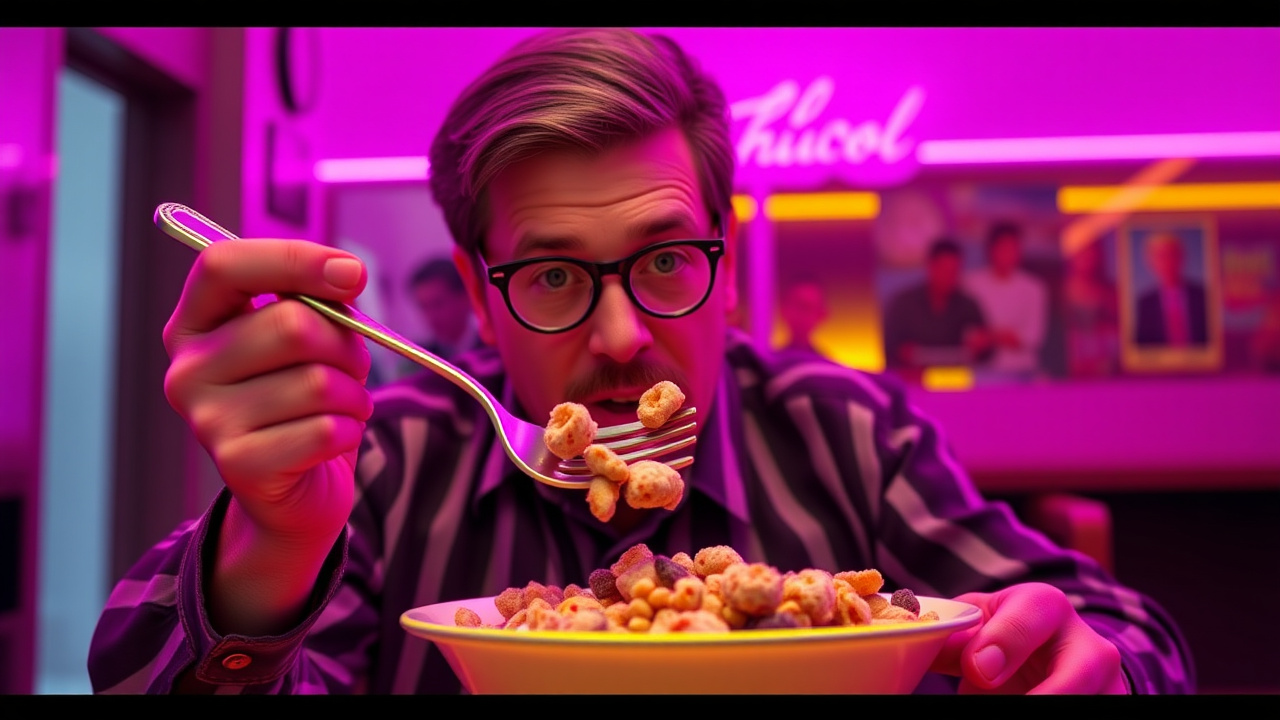
William Hanson Says Use A Fork For Cereal: The Breakfast Uproar Is Here
A TikTok etiquette lesson has ignited a furious debate over the “correct” way to eat cereal.
- Etiquette coach William Hanson suggests using a fork and spoon for cereal, sparking a breakfast table debate.
- Despite William Hanson’s claim, etiquette consultant Jo Hayes states a spoon alone is proper for 99% of cereal-eating situations.
- The shift towards evolving breakfast habits and health concerns could mean cereal brands need to innovate beyond traditional flavors to retain consumers.
The Soggy Cereal Showdown: The $50 Billion Breakfast Market Divided
The core issue is that the global breakfast cereal market, valued at approximately $41.12 billion in 2024, is being disrupted by evolving etiquette, changing consumption habits, and health concerns. William Hanson, an etiquette coach, sparked a firestorm by suggesting cereal should be eaten with a fork and spoon in a TikTok video.
This unorthodox method, according to Hanson, allows for more delicate and orderly eating, preventing splashes. His pronouncements immediately drew criticism and ridicule online, highlighting the deep-seated traditions surrounding breakfast rituals.
This controversy underscores the complex interplay between established customs and the ever-evolving landscape of food culture. The fact that a seemingly innocuous suggestion about cereal consumption could generate such heated debate speaks volumes about the personal and often emotional connections people have with their meals.
Gen Z’s Cereal Cold Shoulder: Why Kellogg’s Needs a New Recipe
The underlying cause of the fork-versus-spoon debate is that only 26% of Gen Z report regularly eating cold cereal, compared to 36% of Gen X, signaling a generational shift in breakfast preferences. Kenton Barello from YouGov notes that Gen Z is rethinking breakfast traditions, showing a lower inclination towards consuming cold cereal regularly. This decline represents a challenge for cereal giants like Kellogg’s, which have traditionally relied on younger consumers to drive sales.
The cultural shift is driven by several factors, including a greater awareness of health and nutrition, a preference for convenient and on-the-go breakfast options, and a general dissatisfaction with the high sugar content of many traditional cereals.
Gen Z consumers are more likely to prioritize protein-rich breakfasts, such as eggs, yogurt, or smoothies, which are perceived as healthier and more satisfying than sugary cereals. Furthermore, the rise of social media and food influencers has exposed Gen Z to a wider range of breakfast options, further eroding the dominance of cereal. This has prompted a push to explore YouTube TV In 2026: Comcast’s Worst Nightmare Or $73 Mistake? by offering diverse choices.
Beyond Breakfast: Julia Mills and the Cereal’s Identity Crisis
The industry is failing to acknowledge that cereal is evolving beyond its traditional role as a breakfast staple, with Julia Mills, an Analyst for US Food and Drink Reports, noting brands can stand out by doubling down on convenience and unique flavors. This shift highlights the need for cereal companies to reimagine their products and marketing strategies to appeal to modern consumers.
The old paradigm of cereal as a quick and easy breakfast option is no longer sufficient in a world where consumers demand more from their food. Brands must innovate by introducing new flavors, incorporating healthier ingredients, and promoting alternative consumption methods.
Cereal companies can explore partnerships with social media influencers and food bloggers to create engaging content that showcases the versatility and appeal of cereal beyond breakfast.
The Sugar Tax Spectre: Health Concerns and the Cereal Aisle Reimagined
The real-world limitation facing cereal manufacturers is that concerns about the high sugar content in many cereals are leading to a demand for healthier options. Cheerios, the most popular cereal among American consumers with 57% of U.S. adults expressing liking or love for the brand, faces increased scrutiny over its nutritional profile.
Many consumers are actively seeking cereals with lower sugar content, higher fiber, and added protein. The pressure to reduce sugar content has prompted some cereal companies to reformulate their products, introducing new versions with less sugar or using alternative sweeteners.
The implementation of sugar taxes in some jurisdictions has also put pressure on cereal companies to reduce the sugar content of their products.
From Spoon to Fork: Redefining Breakfast Etiquette in a World of Declining Sales
The actual impact of this etiquette debate, amid declining cereal sales, is that US cereal sales dropped over 13% from nearly 2.5 billion boxes in 2021 to just 2.1 billion in 2025, signaling a need for the industry to adapt or face further losses. This data underscores the need for cereal manufacturers to address the concerns of modern consumers and redefine the role of cereal in their diets.
The debate surrounding the proper way to eat cereal, whether with a spoon or a fork, reflects the broader changes occurring in food culture and consumption habits.
The breakfast industry is at a crossroads, requiring both adaptation to evolving trends and innovative strategies to regain consumer trust and enthusiasm. Etiquette may seem a trivial matter, but in the context of a multi-billion dollar market facing disruption, even minor adjustments in how we consume can signal larger shifts in consumer behavior and preferences.
The Bottom Line
Team Spoon: Hanson’s fork method is a gimmick.
Cereal companies should prioritize healthier options and innovative flavors to win back Gen Z.
Ditch the fork, grab a spoon, and get back to breakfast basics.