DRC's Ebola Testing Surge: 550 Cases, But Is Trust Enough to Save Lives?
TL;DR BULLETS
The Democratic Republic of Congo (DRC) has reported 550 confirmed cases of a Bundibugyo Ebola outbreak, with efforts focused on early testing and contact tracing as the primary response strategy.
According to WHO’s Dr. Abdirahman Mahamud, only 19 patients have recovered, highlighting the urgent need for trust in local healthcare systems (UN News).
For communities affected by the outbreak, building trust in health services is crucial for effective response and containment.
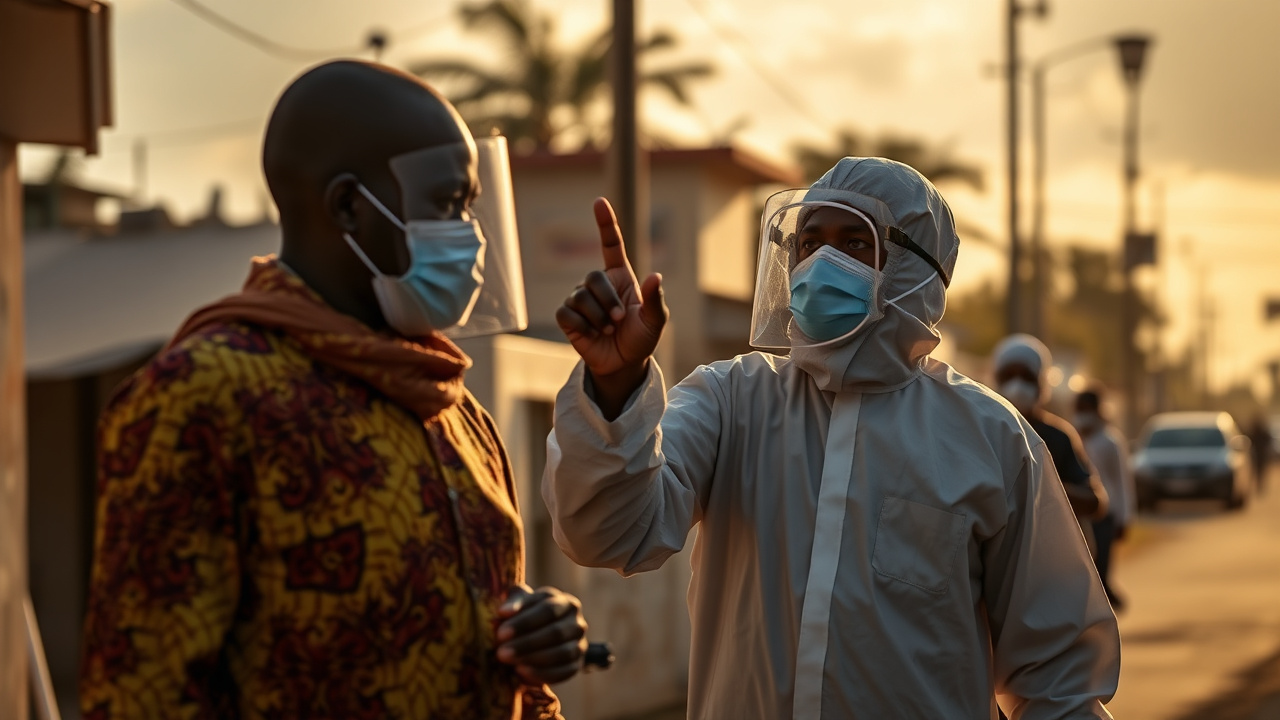
Trust: The Critical Ingredient in DRC’s Ebola Response
The DRC’s strategy emphasizes building trust among local communities to improve cooperation with health initiatives. Trust plays a pivotal role in the success of health interventions, especially in regions historically marked by skepticism towards healthcare systems. According to Dr. Abdirahman Mahamud, WHO’s Health Emergency Alert and Response Operations Director, the rapid increase in confirmed cases is due to an aggressive scale-up of testing. As of June 6, 5,040 contacts had been identified and were under follow-up across Ituri, North Kivu, and South Kivu provinces. The target is to reach 90% compliance in tracking these contacts, but the current achievement stands at only 62%.
Building this trust is not merely an exercise in public relations; it has tangible implications for recovery rates and the ability to contain outbreaks. The current recovery rate of just 19 out of 550 cases underscores the fragility of the health response. The DRC’s past experiences with outbreaks, including the trauma of previous health crises, complicate the current efforts. The narrative surrounding Ebola is filled with fear and misinformation, which public health officials must combat actively.
Testing Infrastructure: A Race Against Time
The outbreak has accelerated the establishment of decentralized testing labs to ensure timely diagnosis of Ebola cases. The WHO has set up field laboratories in five affected areas, enabling quicker testing and results. This rapid establishment of labs is crucial; previously, testing could take days, resulting in a delay that might allow the virus to spread further. Now, results can be delivered within one to two hours in some locations, which is a significant improvement.
Despite this progress, the logistical challenges remain daunting. Remote areas, such as those in Ituri Province, face significant barriers to healthcare access. Samples may take up to 24 hours to reach testing facilities, which exacerbates the crisis. The rapid scalability of testing infrastructure must not only focus on speed but also on reliability, as any delays can lead to further complications in controlling the outbreak.
Community Engagement: The Missing Link?
Despite substantial efforts, skepticism about the healthcare system’s reliability persists, significantly impacting community engagement in health initiatives. Local healthcare workers are essential for identifying and referring patients for treatment, yet their effectiveness is hindered by a lack of trust from the communities they serve. The WHO’s ongoing outreach efforts aim to address these issues, but the real challenge lies in changing deeply rooted perceptions.
The importance of community engagement cannot be overstated. Health services must adapt to local needs and contexts to foster an environment where individuals feel safe seeking care. The challenge is compounded by misinformation that spreads rapidly in communities, often outpacing factual communication from health authorities.
Logistics Challenges: The Geographic Divide
Remote locations pose significant logistical challenges, hindering timely testing and treatment delivery. The region of Ituri is vast, comparable in size to France, complicating healthcare access. The geographical expanse creates a unique set of challenges for health officials. In areas far from major towns, samples may take up to 24 hours to reach testing facilities, which can delay diagnosis and treatment, leading to higher mortality rates.
The lack of reliable transportation and communication infrastructure further complicates the situation. Health workers often struggle to reach isolated communities, which can become hotspots for the virus. The establishment of new labs closer to affected populations is a promising step, but it requires ongoing investment and commitment from both local and international partners.
Future Implications: More Than Just Numbers
Effective containment of the current outbreak hinges on establishing trust and improving healthcare delivery systems. The current recovery rate of 19 out of 550 cases emphasizes the urgent need for trust in the local healthcare response. A systematic approach to public health that prioritizes community engagement and trust-building could yield better outcomes in managing not just Ebola, but future health crises.
The implications extend beyond the immediate outbreak; they touch upon broader issues of healthcare accessibility, public trust, and the role of international organizations in crisis management. The DRC’s experience serves as a stark reminder of the complexities involved in public health responses in regions with historical mistrust of health authorities.
The Bottom Line
Trust in local healthcare systems is paramount to successfully managing the Ebola outbreak in the DRC. Strengthening community engagement initiatives to foster trust and improve cooperation with health services will be critical in the coming weeks.
In the battle against Ebola, trust may just be the most powerful medicine.
Methodology and Sources
Related Articles
- EVEscape’s 90% Accuracy Uncovers Hidden Threats in Emerging SARS-CoV-2 Variants
- The Dot Cake Craze Is Taking Over TikTok And You Won’t Believe Why
- The Shocking Truth About NeeDoh: 65% Of Parents Are Ignoring Hidden Risks
, “publisher”: { “@type”: “Organization”, “name”: “NovumWorld”, “logo”: { “@type”: “ImageObject”, “url”: “https://novumworld.com/images/logo.png" } } }
