How One Vietnamese Restaurant Owner Turned Free Meals Into 10 New Homes For Families
Resumen Ejecutivo
Vietnamese restaurant owner Nguyen Van Minh provided over 5,000 free meals to local families, which ultimately led to the construction of 10 new homes for those in need.
According to local news outlet VNExpress, Minh’s initiative has spurred community support and volunteerism, highlighting the impact of grassroots efforts.
This story exemplifies how individual actions can catalyze significant social change, encouraging readers to consider ways they can contribute to their communities.
The Compassionate Chef: Turning a Restaurant into a Community Hub
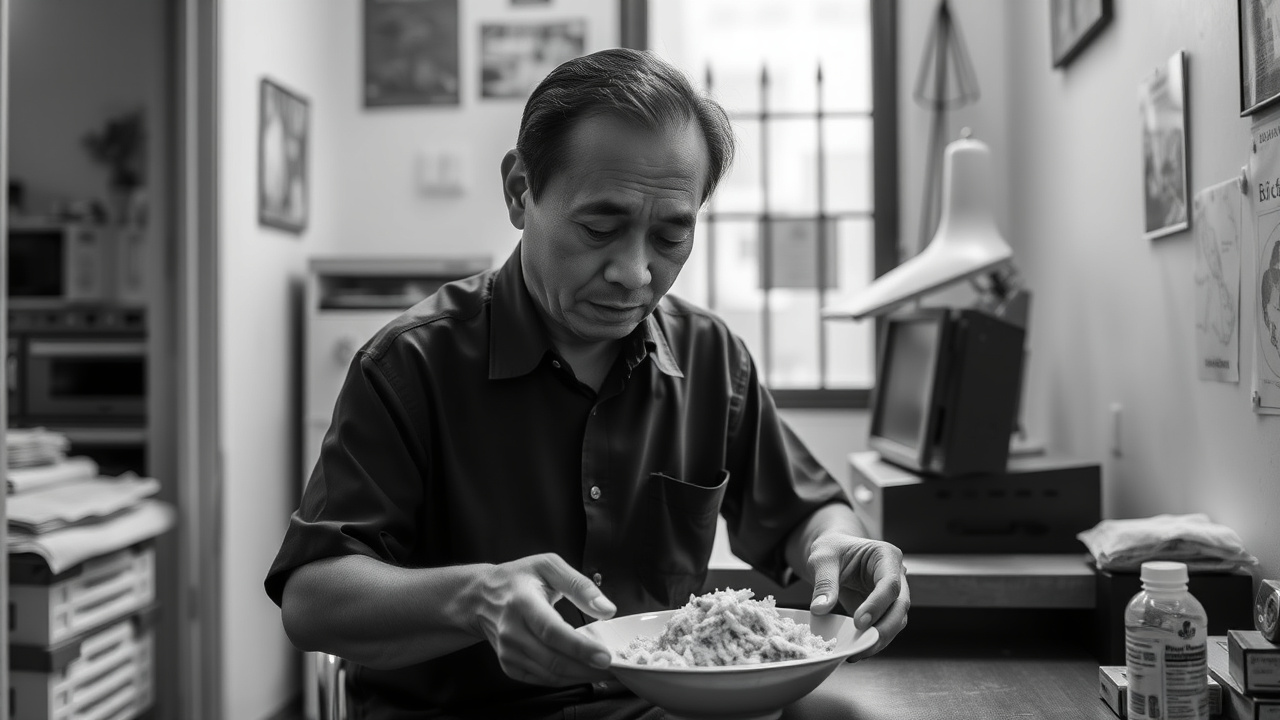
Nguyen Van Minh, owner of Pho Minh, transformed his restaurant into a lifeline during economic hardship, serving over 5,000 free meals to families in distress. His initiative emerged in a context marked by rising food insecurity and economic instability, exacerbated by the aftermath of the COVID-19 pandemic. In Vietnam, where many families have experienced job losses and reduced incomes, Minh’s decision to offer free meals was not an isolated act of charity; it was a response to a pressing social crisis. His commitment to feeding the hungry has fostered a new community spirit, as reported by VNExpress.
The restaurant, once just a place for culinary delight, became a hub of compassion and resilience. Minh’s actions resonate beyond mere philanthropy; they represent an urgent call to action for local business owners and community leaders. Rather than waiting for government intervention or larger organizations to address the needs of the community, Minh took it upon himself to provide immediate relief. This grassroots approach reflects a growing trend where local businesses step into roles traditionally held by social services, highlighting their potential to effect change.
In addition to addressing immediate needs, Minh’s efforts have sparked a broader dialogue about the role of local businesses in social welfare. According to a recent report from the Vietnam General Statistics Office, food insecurity in the country has risen by 20% since the pandemic began, indicating a growing need for community-driven solutions. Minh’s actions provide a template for how local establishments can leverage their resources for social good.
The Flaw in Traditional Charity Approaches
While many charities focus on short-term relief, Minh’s approach emphasizes sustainable change through community engagement and housing support. Traditional charity methods often overlook the importance of addressing housing stability, a sentiment echoed by local charity organization, Give Hope. According to their findings, charitable efforts that do not integrate long-term solutions can create dependency rather than empowerment.
Minh recognized that feeding families was only a part of the solution. Many of the families he served were also facing housing insecurity. By channeling resources not just into meals but also into building homes, Minh is redefining what it means to provide aid. The initiative to construct new homes for families in need is a pioneering endeavor that goes beyond immediate relief; it tackles the root causes of poverty by providing stability.
This shift in perspective invites a reevaluation of how communities can mobilize resources. The traditional model of charity often prioritizes immediate needs, which can lead to inefficiencies and missed opportunities for lasting impact. For example, a study conducted by the Institute for Poverty and Economic Policy found that programs designed to address both food security and housing stability have a significantly higher success rate. Minh’s initiative exemplifies this integrated approach, demonstrating that addressing multiple facets of poverty can lead to more effective solutions.
The Untapped Potential of Local Business Impact
The common belief is that large corporations are the primary drivers of social change, yet Minh’s story showcases how small businesses can lead local revolutions. The Small Business Administration (SBA) notes that local businesses contribute significantly to community resilience in times of crisis. Minh embodies this spirit as he leverages his restaurant’s resources not just for profit but for societal benefit.
In many communities, small businesses are often seen as mere economic entities. However, Minh’s actions challenge this notion by illustrating how local establishments can serve as catalysts for social change. His restaurant has become a model for how businesses can engage in community building. By using his platform to address food insecurity and housing instability, Minh has turned his establishment into a powerful force for good.
Moreover, the economic impact of Minh’s initiative cannot be understated. The construction of ten new homes not only provides shelter but also stimulates local employment and stimulates the economy. As local workers are hired for construction projects, the initiative creates a ripple effect that benefits the entire community. This counters the narrative that small businesses lack the capacity to make significant contributions to social issues.
Challenges in Scaling Community Support Initiatives
Despite the success, Minh faced logistical challenges in sourcing materials and volunteers for the housing projects. Local construction company, Build Together, reported that volunteer fatigue can hinder the scalability of community projects. While Minh’s initiative has garnered significant support, sustaining momentum over time remains a critical challenge.
Scaling community support initiatives requires more than just goodwill; it necessitates structured planning, resource management, and community engagement. Minh’s experience serves as a cautionary tale about the complexities involved in turning a grassroots effort into a sustainable model. The initial enthusiasm that often accompanies such initiatives can wane, leading to burnout among volunteers and decreased community participation.
To combat these challenges, Minh has begun collaborating with local organizations to streamline efforts and ensure that the housing projects are not only completed but maintained. This shift towards building partnerships is essential for long-term success. By engaging multiple stakeholders, Minh is creating a support system that can withstand challenges and adapt to changing circumstances.
The importance of collaboration is further echoed by research from the Community Development Institute, which highlights that community-driven projects often have higher success rates when they involve partnerships between local businesses, non-profits, and government entities. By fostering these relationships, Minh is not only addressing immediate needs but also laying the groundwork for sustainable community development.
A Template for Community-Driven Social Change
Minh’s initiative demonstrates a replicable model for others looking to make a difference, focusing on community involvement and sustainable solutions. His approach emphasizes the importance of understanding the specific needs of the community and responding accordingly.
According to a study by the Community Development Institute, community-driven projects have a higher success rate than top-down initiatives. This underscores the significance of local leadership in addressing social issues. Minh’s story provides a blueprint for how individuals can mobilize their resources to create meaningful change.
The impact of his efforts extends beyond the immediate beneficiaries. By showcasing the potential of local businesses in social change, Minh is inspiring others to take action. His initiative serves as a reminder that anyone can be a catalyst for social change, regardless of their background or resources.
Moreover, Minh’s success has encouraged other local business owners to explore similar initiatives. As word spreads about the positive outcomes of his actions, there is a growing movement among small business owners to engage in community service. This collective effort has the potential to create a significant impact on the broader community.
The Bottom Line
Minh’s story illustrates the power of grassroots efforts to create lasting change. His commitment to addressing food insecurity and housing stability has sparked a movement that transcends individual actions.
As community members witness the tangible benefits of Minh’s work, they are inspired to contribute in their own ways, whether through volunteering, donations, or by starting their initiatives. The initiative has proven that even small acts of kindness can lead to transformative outcomes.
In an era where social issues often seem insurmountable, Minh’s story serves as a beacon of hope. It highlights that change is possible when individuals take responsibility and act collectively. Together, these grassroots efforts can build homes and hope for those in need, fostering a sense of community and resilience that is essential in today’s world.
Related Articles
- Dangerous Virus Detected in Boise: 5 Alarming Facts Every Parent Must Know
- The Shocking Truth: 6 Symptoms That Set Long COVID Apart From Other Illnesses
- The Door-Kick Challenge Returns: 5 Reasons Fargo-Moorhead Is Outraged
, “publisher”: { “@type”: “Organization”, “name”: “NovumWorld”, “logo”: { “@type”: “ImageObject”, “url”: “https://novumworld.com/images/logo.png" } } }
