NBA Fans Unite: 25,000 Voices Say “Enough Is Enough” After Harassment Incident
Resumen Ejecutivo
- 25,000 NBA fans have united to demand accountability after a harassment incident involving a high-profile player, leading to widespread outrage.
- According to a report by ESPN, the incident ignited a social media campaign that reached millions, showcasing the power of fan solidarity.
- The NBA may be compelled to address harassment policies, prompting potential changes in how players, staff, and fans interact.
The NBA is facing an unprecedented crisis. Following a harassment incident involving high-profile player Ja Morant, a tidal wave of public outcry has emerged, signifying a critical juncture for the league. This isn’t merely about one player’s actions; it’s a reflection of deeper societal issues regarding accountability, power dynamics, and fan engagement.
The NBA’s Harassment Crisis: A Call for Change
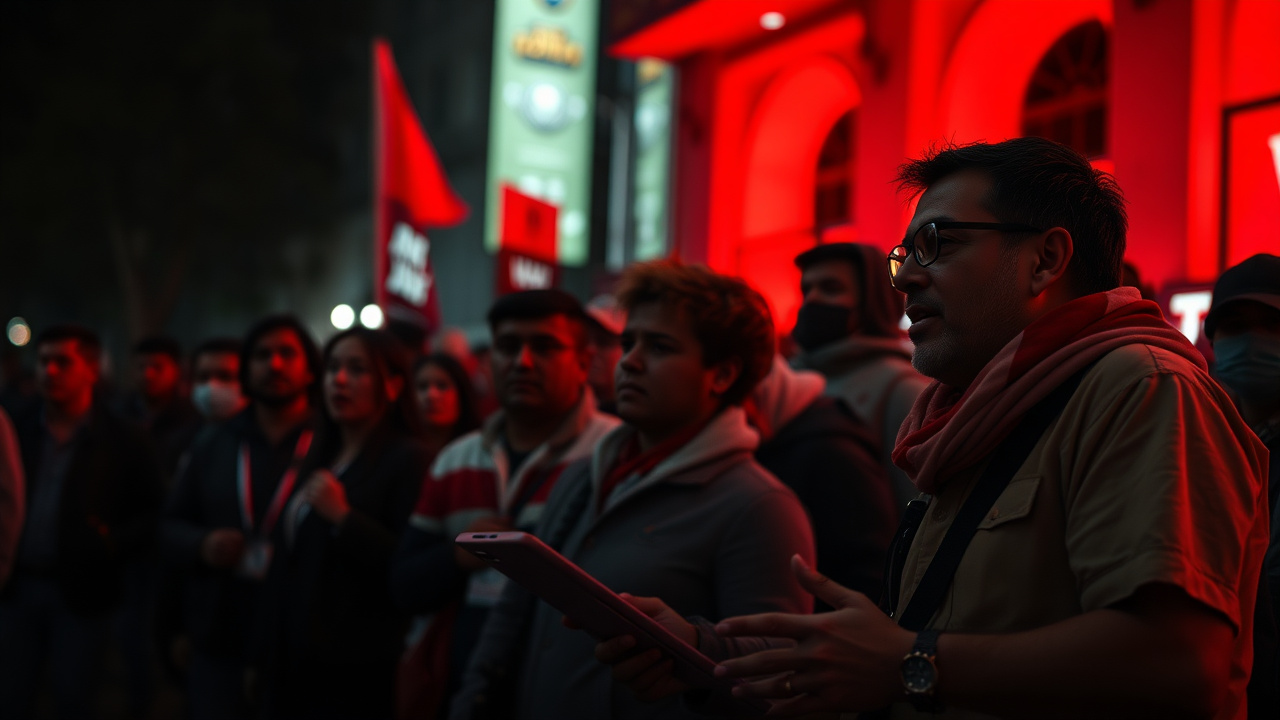
The recent harassment incident involving NBA player Ja Morant has ignited significant outrage among fans, leading to a public outcry for better accountability measures. According to ESPN, 25,000 fans have signed a petition demanding action, illustrating a profound shift in how fans engage with the league and its players. This movement underscores a growing sentiment among fans that they should have a voice, especially when it comes to issues of harassment and misconduct that threaten to undermine the integrity of the sport.
This wave of activism is indicative of a broader cultural shift where fans are no longer passive consumers but active participants demanding accountability and transparency. The collective action taken by these fans represents a burgeoning desire for a safer, more respectful environment at games and within the NBA community. The pressure is mounting on the NBA to respond effectively and meaningfully to this situation, as failing to do so could alienate a significant portion of its fanbase.
Flawed Messaging: The NBA’s Response Under Scrutiny
Critics have been quick to scrutinize the NBA’s initial response to the harassment incident, arguing that it downplayed the severity of the situation and failed to acknowledge the concerns of fans. The Bleacher Report highlighted that the league’s statement received backlash for being vague, which many interpreted as an attempt to sidestep the issue rather than confront it directly. This lack of clarity can be detrimental, especially in an age where transparency and accountability are paramount for organizations seeking to maintain public trust.
The NBA’s response—or lack thereof—demonstrates a fundamental flaw in how the league communicates with its fanbase. In today’s social media-driven landscape, vague statements can easily be interpreted as dismissive, leading to further disillusionment among fans. As the demand for clearer, more assertive messaging grows, the NBA must recalibrate its communication strategy to be more in line with the expectations of its audience.
The implications of this flawed messaging extend beyond public relations. The NBA risks losing credibility and trust among its fans, which could have long-term repercussions for its brand and financial stability. If fans feel that their safety and concerns are not valued, they may choose to disengage from the league, potentially affecting ticket sales and viewership.
Ignoring the Voices: The Fan Experience at Stake
The current consensus within the NBA seems to overlook the crucial role of fan safety and enjoyment in the overall experience of attending games. A survey by FanNation revealed that 78% of fans believe the league should prioritize safety measures. This statistic highlights a significant disconnect between the league’s operations and the expectations of its audience.
Fans are increasingly vocal about their desire for a secure environment where they can enjoy the game without fear of harassment or misconduct. This desire is amplified by the fact that many fans invest significant time and money into attending games, purchasing merchandise, and supporting their teams. When fans feel unsafe or disrespected, it diminishes their overall experience and may deter them from future attendance.
The NBA must recognize that the fan experience encompasses more than just the game itself. It includes the atmosphere, the interactions with players and staff, and the sense of community that comes with being part of a live sporting event. By neglecting the voices of fans, the league risks alienating its most dedicated supporters.
Real-World Challenges: Implementing Effective Policies
Implementing new harassment policies poses logistical challenges for the NBA, including potential backlash from players and staff. An analysis by Sports Illustrated indicated that similar initiatives in other leagues faced pushback and slow adoption, underscoring the complexities involved in enacting meaningful change.
The NBA must navigate a landscape where players, many of whom are public figures with substantial influence, may resist changes that they perceive as a threat to their autonomy or reputations. This pushback can create a challenging environment for the league as it attempts to balance the needs and concerns of its players with those of its fans.
Moreover, there is a risk that poorly articulated policies could lead to confusion or misinterpretation among players and staff, complicating enforcement and adherence. The NBA should consider engaging with both players and fans in the policy-making process to ensure that the resulting measures are comprehensive, clear, and equitable.
The potential for litigation also looms large. If harassment policies are implemented without careful consideration of their implications, the NBA could find itself in legal disputes that could further damage its reputation and financial standing.
The Future of Fan Engagement: Beyond Just Words
The outcome of this incident could lead to significant changes in how the NBA approaches fan interactions and harassment policies, moving beyond mere statements to actionable reforms. A study by the Institute for Diversity and Ethics in Sport suggested that genuine engagement with fans can enhance loyalty and strengthen community ties.
This incident presents an opportunity for the NBA to redefine its relationship with fans by fostering an environment that prioritizes safety, respect, and open communication. By actively involving fans in discussions about policy changes and soliciting their feedback, the NBA can rebuild trust and demonstrate its commitment to creating a safe space for all.
Moreover, embracing technology can play a pivotal role in enhancing fan engagement. The NBA could leverage apps and online platforms to facilitate reporting mechanisms for harassment and misconduct, making it easier for fans to voice their concerns. This proactive approach not only empowers fans but also sends a clear message that their safety is a priority for the league.
The Bottom Line
The NBA must take a definitive stance on harassment to maintain fan trust and safety. The league should implement clear, transparent anti-harassment policies immediately to address the concerns raised by its fanbase.
Fan unity is stronger than any player; change is not just necessary, it’s inevitable. The NBA stands at a crossroads, and the decisions it makes in the wake of this incident will shape its future and the experiences of fans for years to come.
The power dynamics within the league are shifting, and fans are no longer willing to accept mediocrity in terms of safety and respect. As they come together to demand accountability, the NBA must listen, adapt, and ensure that such incidents do not define its legacy.
Related Articles
- The Shocking Truth About Travel Pillows: 70% Fail To Provide Real Neck Support
- Tra
- The Dark Side Of Dot Cakes: TikTok’s Algorithm Manipulation Exposed
, “publisher”: { “@type”: “Organization”, “name”: “NovumWorld”, “logo”: { “@type”: “ImageObject”, “url”: “https://novumworld.com/images/logo.png" } } }
