Shocking Footage Reveals 65 Assaults Reported In Shelby: Officer Fired After Brutal Attack
Resumen Ejecutivo
- The Shelby Police Department reported 65 assaults in 2024 out of 280 crimes against persons, fueling urgent scrutiny over police conduct and community safety.
- Joanna Schwartz, UCLA Law Professor, highlights that qualified immunity is granted in over half of federal appeals cases, effectively limiting accountability for constitutional violations by officers.
- Calls for transparency in Shelby County’s police misconduct investigations clash with entrenched police culture and legal protections that hinder meaningful reform.
Assaults and Accountability: Shelby Police Department’s Troubling Reality
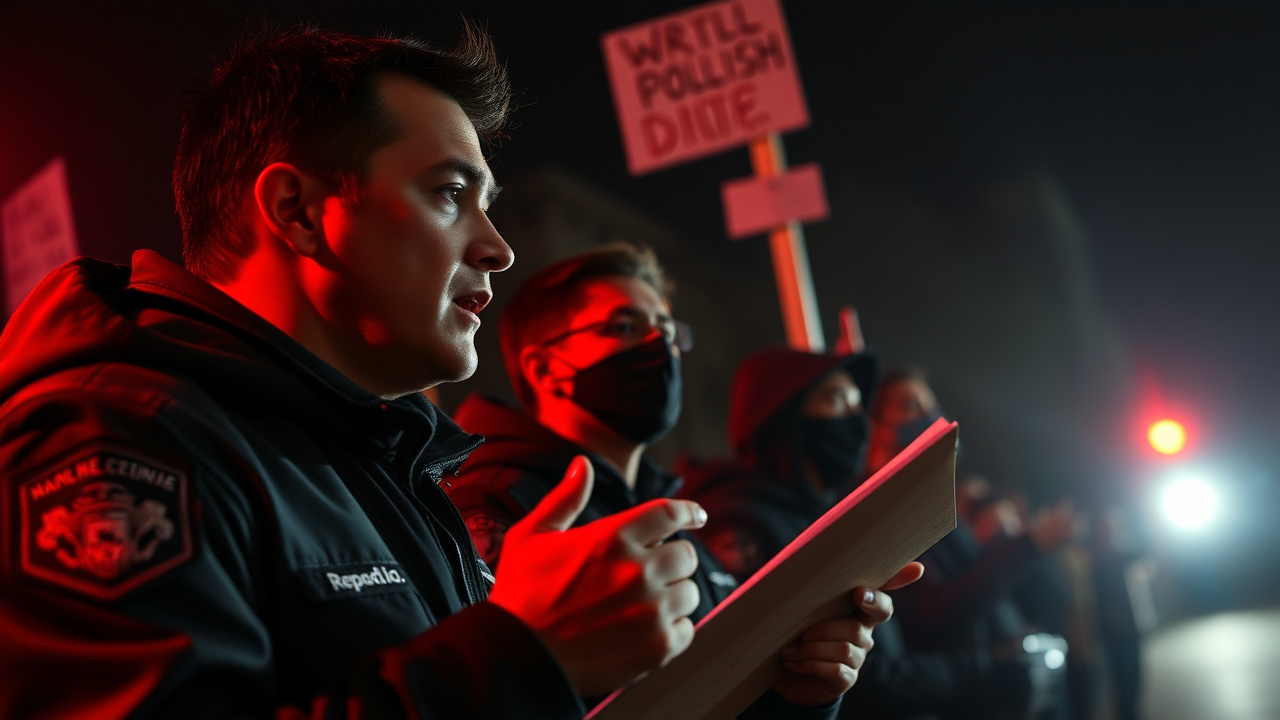
Shelby Police Department recorded 65 assaults in 2024, part of 280 documented crimes against persons including 56 domestic violence cases. These numbers reveal not only a community grappling with violence but also raise questions about police conduct and oversight. One viral incident involved an officer brutally assaulting Cherria Moore, which led to immediate suspension but exposed deeper issues of unchecked aggression within the force.
The sheer volume of assaults reported suggests systemic problems rather than isolated incidents. Public trust erodes when police officers, entrusted with enforcing law, become perpetrators of violence themselves. This undermines community safety and fuels calls for rigorous accountability mechanisms.
Qualified Immunity: The Legal Armor Shielding Police Misconduct
Qualified immunity, a judicial doctrine that protects government officials from civil liability unless they violate “clearly established” constitutional rights, is a major barrier to police accountability. It was granted in 54% of federal appeals cases, according to a broad study of 1,183 cases. Joanna Schwartz, a legal scholar at UCLA, emphasizes that qualified immunity frequently shields officers even when they violate rights, as plaintiffs must find precedent with nearly identical facts—a virtually impossible burden.
Justice Sonia Sotomayor has criticized qualified immunity as “an absolute shield,” which allows abusive officers to evade consequences. Of the cases where qualified immunity was invoked, only 3.9% resulted in dismissal, but the doctrine’s real power lies in discouraging lawsuits and increasing legal costs for victims, effectively deterring challenges to police misconduct.
The doctrine also varies by circuit, with some courts denying it more frequently than others. This patchwork enforcement creates uneven justice across states, exacerbating public perception of inequality before the law.
The Entrenched Police Culture That Resists Accountability
Reddit discussions and community feedback reveal a persistent skepticism toward police self-policing. Many users argue that police culture inherently resists transparency and accountability, fostering loyalty that shields officers from scrutiny. This culture often frustrates external investigations, further complicating efforts to hold officers responsible.
Internal affairs investigations, while intended to police misconduct, suffer from lack of transparency and public trust. In Shelby County, calls for the District Attorney’s Office to keep detailed records of prosecutorial reviews of police misconduct have intensified. A journalist’s ongoing push for a court order to mandate such record-keeping reflects widespread demand for systemic reform.
This opacity allows problematic officers to persist in the force, perpetuating cycles of abuse and community distrust. The disconnect between law enforcement agencies and citizens they serve deepens, feeding into broader societal tensions.
Shelby County’s Demand for Transparency Amid Legal and Cultural Obstacles
Attempts to increase transparency in Shelby’s police misconduct investigations encounter resistance from institutional inertia and legal protections like qualified immunity. The Shelby County District Attorney’s Office currently has no obligation to maintain accessible records of prosecutorial decisions on police misconduct, which critics say obstructs accountability and public oversight.
The journalist’s effort to compel record-keeping is emblematic of a nationwide push to dismantle opaque practices that shield misconduct. Transparency advocates argue that without documented trails of prosecutorial reviews, systemic problems remain hidden and unaddressed.
Yet, entrenched police culture and legal doctrines create a formidable barrier. The Shelby case exemplifies how institutional resistance and legal protections work in tandem to preserve the status quo, often at the expense of victims’ rights and community trust.
Police Killings and the Broader National Context
Shelby’s assault issue mirrors a national crisis. Police killings in the U.S. increased from an average of 1,000 annually (2017-2021) to nearly 1,200 in 2023 and 2024, according to data from The Washington Post and Mapping Police Violence. In 2024 alone, police killed at least 1,173 people, with only 10 days in the entire year without a police-related death.
These alarming figures spotlight the lethal consequences of weak accountability systems. Police departments face settlements totaling over $4 billion, often accompanied by policy changes, yet systemic reform remains elusive. Shelby’s local struggles are a microcosm of nationwide failures to rein in violence and enforce meaningful oversight.
The Economic and Social Cost of Qualified Immunity and Police Misconduct
Qualified immunity’s protection of officers translates into significant economic costs for municipalities. Over 441 publicly reported settlements have resulted from police misconduct, amounting to more than $4.1 billion in compensation. These payouts strain public budgets and divert resources from other social services.
The economic burden is compounded by social costs: communities fractured by violence and mistrust, reduced cooperation with law enforcement, and the psychological trauma inflicted on victims and witnesses. Qualified immunity’s legal shield thus perpetuates a costly cycle of abuse and inadequate redress.
The Bubble Around Police Reform: Why This Moment Might Not Last
Despite intense public outcry and media attention, the police reform movement faces a risk of fading momentum. Political polarization, institutional resistance, and the complexity of dismantling qualified immunity threaten to stall progress.
Shelby’s situation, while dire, is unlikely to sustain national focus beyond the next news cycle. Past reform efforts show a pattern of bursts of activism followed by retrenchment. Without structural legal changes or federal intervention, local demands for transparency and accountability will struggle to translate into lasting impact.
Transparency as a Necessary but Insufficient Step
Transparency initiatives, like record-keeping mandates for prosecutorial reviews, represent a critical first step toward accountability. However, they must be paired with changes to qualified immunity and police culture to produce systemic change.
Independent oversight, body-worn camera enforcement, and community engagement are additional tools needed to break the cycle of police misconduct. Shelby’s case underscores the challenge of reforming an institution deeply resistant to both external and internal scrutiny.
The Shelby Police Department’s Assault Crisis Is Part of a Larger National Failure
Shelby’s 65 assaults in 2024 are not isolated incidents but symptoms of a broader crisis in policing fueled by legal protections like qualified immunity and entrenched police culture. The cycle of violence, limited accountability, and lack of transparency erodes public trust and jeopardizes community safety.
Meaningful change requires dismantling the legal shields that protect abusive officers, demanding transparency in misconduct investigations, and confronting the cultural norms that resist reform. Without these steps, the cycle of brutality and impunity will persist, placing vulnerable communities at continued risk.
The law must serve justice, not protect misconduct.
Methodology and Sources
Related Articles
- Tennessee Volunteers Claim 5th Title While UmpCast Leaves Fans Furious And Frustrated
- EVEscape’s 90% Accuracy Uncovers Hidden Threats in Emerging SARS-CoV-2 Variants
- The Shocking Truth About Disney’s Most Overrated Dessert: Hours of Waiting for a Cookie
, “publisher”: { “@type”: “Organization”, “name”: “NovumWorld”, “logo”: { “@type”: “ImageObject”, “url”: “https://novumworld.com/images/logo.png" } } }
