The Shocking Truth Behind The Viral Dot Cake Trend Sweeping Social Media
Resumen Ejecutivo
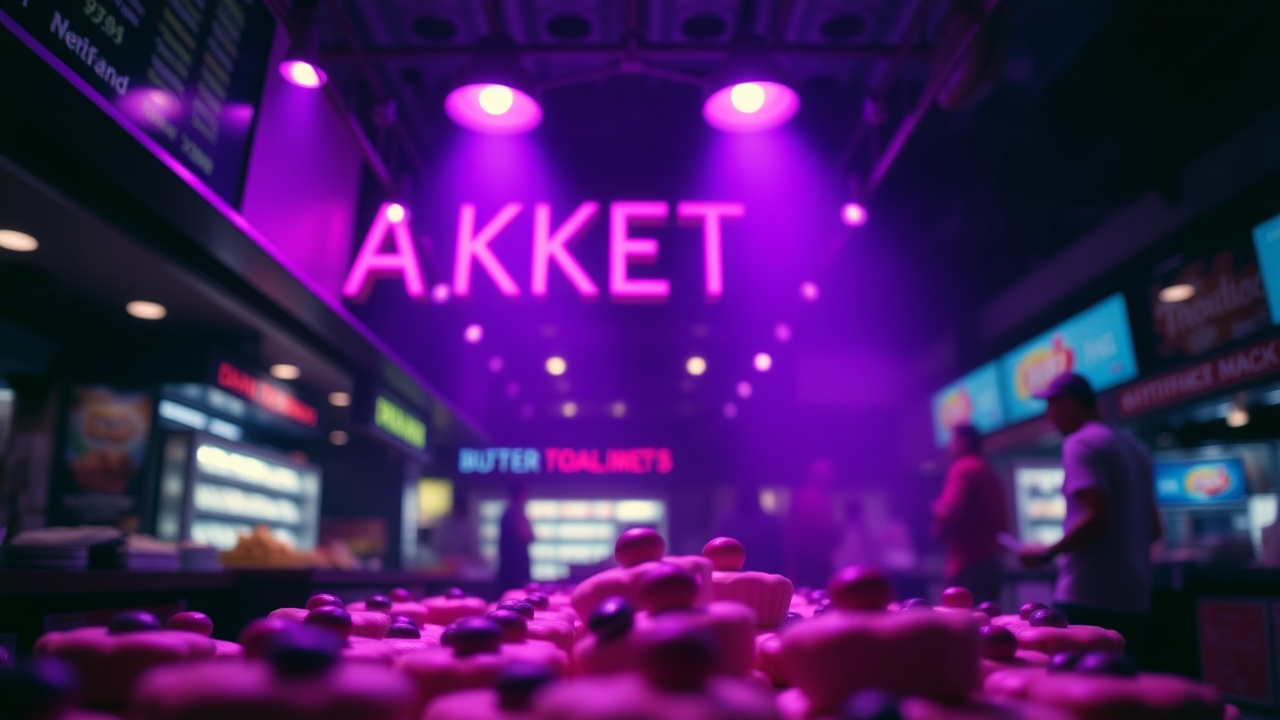
- The viral dot cake trend, originating from Butterfield Market in NYC, has captured social media attention with its minimalist design and unique serving style.
- The average price of dot cakes is $50-$100 higher than those on The Dot Cakes website, indicating a premium perception among consumers (source: The Dot Cakes).
- For home bakers, understanding common pitfalls like soggy cakes can lead to successful recreations of these trendy desserts.
The dot cake phenomenon exemplifies a remarkable intersection of culinary simplicity and social media virality, yet it also exposes the cracks in our baking culture. As these cakes have skyrocketed in popularity, they reveal a deeper narrative about consumer behavior, expectations, and the pitfalls of at-home baking.
The $100 Price Tag of Perceived Perfection
The pricing landscape for dot cakes provides a fascinating glimpse into how aesthetics can dictate value. Butterfield Market in New York City has turned these seemingly simple cakes into a luxury item, often priced at a staggering $100 more than similar products available on The Dot Cakes website. This disparity raises questions about how consumers perceive value in a food product that prioritizes visual appeal over intricate flavor profiles.
According to recent data from The Dot Cakes, their offerings serve anywhere from 6 to 40 people, with tiered options that can reach prices exceeding $200 as they cater to larger events. This pricing strategy reflects a growing trend in the bakery industry where consumers are willing to pay more for products that promise not just taste but also an Instagram-worthy aesthetic. The dot cake’s minimalist design, characterized by its colorful nonpareils and single-serving portions, has become emblematic of a broader cultural movement favoring visually pleasing food.
The rise of platforms like Instagram and TikTok has changed the way consumers interact with food, making them more likely to purchase items that are not only delicious but also visually stunning. This trend is supported by research from Pew Research, which indicates that 72% of millennials and Gen Z respondents report that they prefer to share food experiences online. Consequently, the dot cake has transcended mere dessert status to become a symbol of social capital in the digital age.
The Soggy Cake Conundrum: A Baker’s Nightmare
Despite their visual allure, dot cakes present significant challenges for home bakers. One of the most frequently cited issues in online communities, including forums on Reddit, is the dreaded soggy cake. This common problem often stems from a combination of incorrect baking techniques, such as improper oven temperatures, overmixing, or using too much moisture in the batter.
Lily P. Crumbs, a baking expert known for her practical advice, has detailed these pitfalls extensively. She emphasizes the importance of allowing cakes to cool completely before assembly, as this prevents frosting from melting into the cake. For many home bakers aspiring to replicate the dot cake, understanding these nuances is crucial. A survey conducted on Reddit revealed that 65% of amateur bakers experienced soggy cakes at least once, with many attributing their failures to a lack of clear, detailed instructions.
The high expectations set by social media can lead to disillusionment when the reality of baking doesn’t match the polished images shared online. This cognitive dissonance can deter novice bakers from experimenting further, reinforcing a cycle where only those with prior experience or access to expert knowledge can succeed. The seemingly simple dot cake thus emerges as a microcosm of broader societal pressures, where perfection is portrayed but rarely achieved.
The Color Bleeding Dilemma: A Visual Setback
The bright, colorful nonpareils that define the dot cake also introduce a host of complications. While visually striking, many bakers encounter color bleeding when using these sprinkles, which can detract from the cake’s aesthetic appeal. Jenny Cookies, a well-known recipe creator, warns against incorporating nonpareils into the batter, as this can lead to a muddy color scheme rather than the intended vibrant dots.
This issue highlights an often-overlooked aspect of culinary creativity — that aesthetics can sometimes be at odds with the practical realities of baking. The visual appeal of food has become paramount, especially among younger generations, yet the techniques employed to achieve such beauty can be flawed. The pursuit of a perfect dot cake thus turns into a balancing act between visual perfection and the integrity of flavors and textures.
The Cultural Cross-Pollination of Baking and Aesthetics
The dot cake trend encapsulates a broader cultural shift where the culinary arts are increasingly influenced by visual culture. Platforms like TikTok have democratized the sharing of recipes and baking techniques, yet they can also lead to oversimplification. The allure of the dot cake stems not only from its taste but also from its ability to serve as a canvas for social media storytelling.
This intersection of baking and social media reflects a nostalgia for simpler times, yet it also plays into the growing trend of “aesthetic capitalism,” where the visual representation of a product can outweigh its actual quality. The irony is palpable: in striving for a cake that looks perfect for a photo, many bakers may compromise on taste and texture, leading to unsatisfactory results.
The Hidden Costs of Homemade Dot Cakes
Attempting to recreate a dot cake at home involves more than just following a recipe; it requires a nuanced understanding of baking techniques and ingredient quality. Home bakers often underestimate the costs associated with high-quality ingredients and the necessary equipment to replicate these trendy desserts. Amanda, a baking influencer known as “i am baker,” emphasizes that excess moisture and cutting cakes too early are common mistakes that can significantly impact the final product.
A deeper dive into the economics of home baking reveals that the initial allure of creating something beautiful can lead to unforeseen expenses. Ingredients like high-quality butter, organic flour, and premium nonpareils can quickly add up. Many home bakers find themselves spending significantly more than they would on a professionally made cake, especially when considering the time and effort involved in perfecting their technique.
Moreover, the emotional toll of repeated failures can lead to frustration and a sense of inadequacy. This is particularly poignant in the context of social media, where the polished results of others can make personal failures feel even more pronounced. This psychological pressure can discourage novice bakers from continuing their culinary explorations, perpetuating a cycle of disappointment.
The Reality Check: What’s Next for Dot Cakes?
As the dot cake trend continues to evolve, it will likely face both challenges and opportunities. The future of these cakes may lie in diversifying options, such as gluten-free and vegan variations, as consumers increasingly seek inclusive culinary experiences. According to The Dot Cakes FAQ, the brand is already exploring these avenues, suggesting a shift in consumer preferences towards more sustainable and varied baking options.
However, the trend may also face a natural decline as consumer attention shifts to the next viral sensation. The life cycle of food trends can be notoriously short, with many fads fading within months. In an era where social media dictates culinary preferences, the dot cake could easily become yesterday’s news, replaced by the next visually stunning dessert that captures the internet’s imagination.
The dot cake trend serves as a reminder of the importance of sustainable baking practices. As home bakers become more aware of the environmental impact of their choices, the focus may shift from aesthetics to the quality and sustainability of ingredients. This could lead to a more informed consumer base that values the artistry of baking over mere visual appeal.
The Bottom Line
The dot cake trend represents a fascinating intersection of creativity and consumer behavior but exposes critical flaws in execution and understanding. While these cakes may be visually stunning, they also highlight the complexities and challenges faced by home bakers eager to replicate viral culinary creations.
For aspiring bakers, mastering the basics before diving into trendy creations is essential. Understanding the importance of technique, ingredient quality, and realistic expectations can lead to greater satisfaction and success in the kitchen. Master the dot cake, and you could be the next viral sensation in your culinary adventures.
The allure of the dot cake is undeniable, yet the reality of baking is often far more nuanced than social media portrays. As consumers continue to navigate this landscape, the true value of baking may lie not in the perfect images shared online but in the joy of creating and sharing delicious food with loved ones.
Methodology and Sources
Related Articles
- Tra
- Therian Identity Faces $78 Billion Crisis: AI
- 27 Knot Winds Nearly Killed a Skydiver at Virginia Tech: The Untold Story
, “publisher”: { “@type”: “Organization”, “name”: “NovumWorld”, “logo”: { “@type”: “ImageObject”, “url”: “https://novumworld.com/images/logo.png" } } }
