Bryson DeChambeau's Shocking YouTube Earnings: $800,000 If LIV Golf Collapses
Resumen Ejecutivo
- Bryson DeChambeau’s YouTube channel generates an estimated $700,000 to $800,000 annually, serving as a critical financial hedge against the potential collapse of LIV Golf.
- LIV Golf’s financial model is failing, evidenced by a nearly $500 million loss in 2024 and a viewership gap where the PGA Tour averages 3.1 million viewers compared to LIV’s 175,000.
- The legal entanglements and the anticipated withdrawal of Saudi Public Investment Fund funding after 2026 necessitate that players treat themselves as independent media businesses rather than just athletes.
Bryson DeChambeau’s pivot to YouTube content creation is less a passion project and more a desperate hedge against the inevitable insolvency of LIV Golf. The data reveals a stark divergence between the sustainable, high-margin revenue of his digital media business and the burning cash pit of the Saudi-backed league.
- Bryson DeChambeau generates an estimated $700,000 to $800,000 annually from YouTube ad revenue based on 22 million monthly views, according to MyGolfSpy.
- LIV Golf lost nearly $500 million in 2024 while averaging only 175,000 viewers during head-to-head events against the PGA Tour’s 3.1 million, as reported by the Financial Times.
- Saudi Arabia’s Public Investment Fund is expected to withdraw financial support after 2026, forcing players to rely on personal brand equity rather than unsustainable league contracts.
The YouTube Revenue Model: A Lifeline for DeChambeau
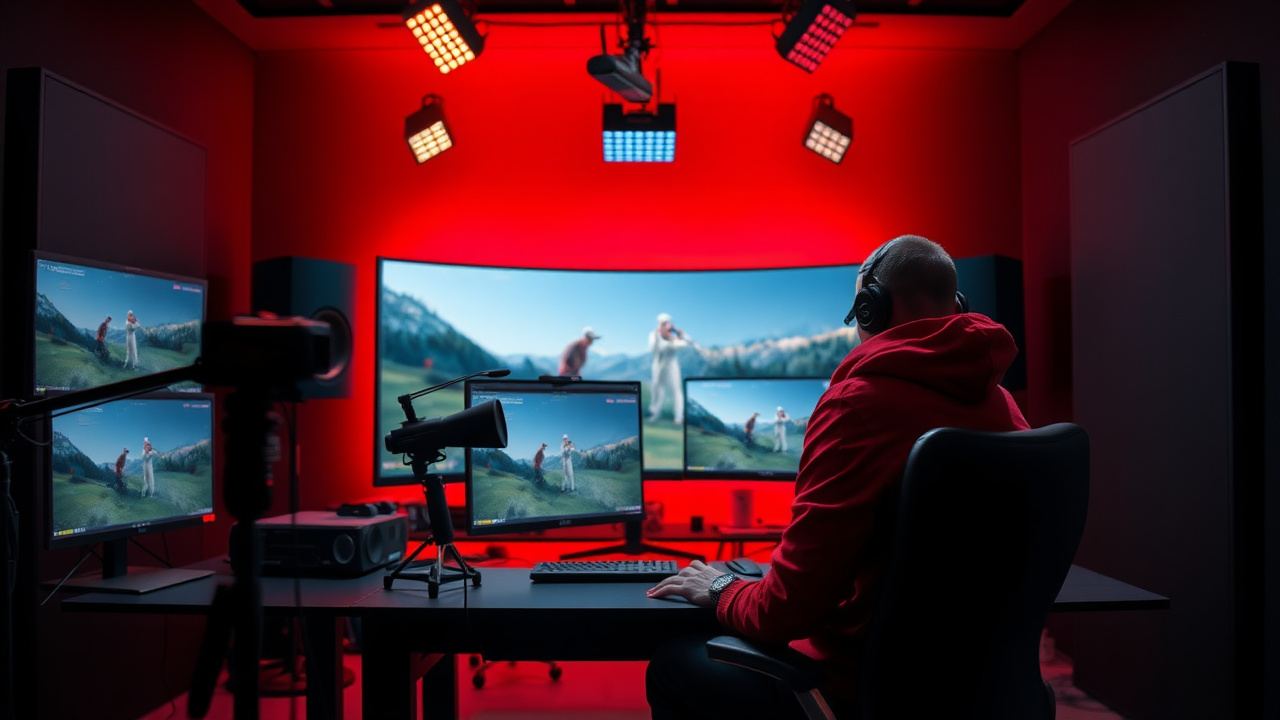
Bryson DeChambeau has effectively transformed himself from a professional golfer into a media holding company. His YouTube channel is no longer a vanity project; it is a sophisticated revenue engine that outperforms the economic stability of his current employer. According to estimates by MyGolfSpy, DeChambeau’s channel generates between $700,000 and $800,000 annually in ad revenue alone. This figure is derived from a massive volume of 22 million monthly views and an estimated RPM (revenue per thousand views) of $3.
The $3 RPM is a critical metric that underscores the value of his specific audience. Golf content typically attracts a demographic with high disposable income, which commands premium CPMs (cost per thousand impressions) from advertisers in the finance, automotive, and luxury goods sectors. Unlike the volatile nature of tournament prize purses, this YouTube revenue represents a predictable monthly cash flow. It is a business asset that he owns outright, insulated from the politics of tour governance.
DeChambeau has invested over $1 million into his production infrastructure. This capital expenditure covers high-end camera equipment, editing staff, and studio space. He is treating content creation with the same rigor he applies to biomechanics. The return on this investment is already evident, as his subscriber base has grown to approximately 2.7 million. Bryson DeChambeau Overtakes PGA Tour In YouTube Subscribers.
The platform strategy here is clear: direct-to-consumer engagement. By owning the distribution channel, DeChambeau bypasses the traditional gatekeepers of golf media. He captures the full value of his attention economy. This is a textbook creator economy move, where the individual builds a moat around their personal brand that is wider and deeper than any single tournament organizer can provide.
The LIV Golf Dilemma: Financial Instability and Viewership Challenges
The financial foundation of LIV Golf is cracking under the weight of its own inefficiency. The league operates as a loss leader for Saudi soft power, but the economics do not make sense for a sustainable sports entity. The Financial Times reported that LIV Golf lost nearly $500 million in 2024 under its UK-based entity alone. This burn rate is unsustainable without perpetual sovereign wealth intervention.
Viewership metrics paint a grim picture for the league’s commercial viability. When LIV Golf events went head-to-head with the PGA Tour on television, the disparity was crushing. The PGA Tour’s final-round TV audiences on CBS and NBC averaged 3.1 million viewers. LIV Golf, broadcasting on FOX, FS1, and FS2, averaged a mere 175,000 viewers. This represents a nearly 18-fold difference in audience reach.
The digital numbers offer a slight reprieve but fail to close the gap. LIV’s season opener in Mexico drew a combined 3.51 million viewers across YouTube and LIV Golf+. While this was double the previous year, it still relies heavily on free, low-margin digital distribution rather than lucrative linear television deals. Advertisers pay significantly less for streaming inventory than for broadcast slots. The “growth” narrative is a myth when compared to the entrenched dominance of the PGA Tour.
This viewership failure directly impacts the players’ business prospects. Sponsors require eyeballs, and LIV is not delivering them at scale. The league’s attempt to disrupt the market has failed to capture the mainstream American sports fan. Without a massive pivot in strategy, LIV Golf remains a niche product with a billionaire benefactor covering the operational losses. The business model is broken.
Antitrust Lawsuits: The Legal Minefield Affecting Players
The legal battles between LIV Golf and the PGA Tour have created a cloud of uncertainty that hampers long-term business planning for players. LIV Golf initially filed an antitrust lawsuit alleging anti-competitive behavior by the PGA Tour. The PGA Tour responded with a countersuit, alleging that LIV Golf was actively encouraging players to violate their existing contracts. This litigation creates a hostile environment for brand stability.
A critical legal development occurred in 2023 regarding sovereign immunity. A court ruled that the Saudi Public Investment Fund (PIF) could not claim sovereign immunity in the antitrust litigation. This ruling exposed the fund to the U.S. discovery process, opening their internal communications and financial strategies to public scrutiny. It was a devastating blow to the opacity that shielded the league’s operations.
Further complicating the landscape is a U.S. Senate subcommittee report. The report alleges that the Saudi PIF entered negotiations with the PGA Tour primarily to avoid discovery in the antitrust litigation. This accusation paints the entire “framework agreement” between the tours as a legal maneuver rather than a genuine business merger. It suggests that the peace talks were a tactic to bury evidence.
Bryson DeChambeau and Matt Jones withdrew from the antitrust lawsuit in May 2023. This withdrawal was a strategic retreat. It signaled a desire to distance themselves from the legal quagmire. Jodi Balsam, a legal expert for Golf Channel, noted that such withdrawals often precede settlement talks or a realization that the legal battle is unwinnable. For a creator-focused business, being tied up in federal court is a distraction that dilutes focus from content production and fan engagement.
The Uncertain Future: Implications for DeChambeau’s Career
The financial backing for LIV Golf has an expiration date. Saudi Arabia’s PIF is expected to pull all financial support from LIV Golf after the 2026 season. This looming deadline creates a “cliff” for players who have abandoned the PGA Tour. When the subsidy ends, the league must either become profitable or dissolve. Given the current financial losses, dissolution is the most likely scenario.
If LIV Golf collapses, DeChambeau faces a difficult re-entry into the PGA Tour ecosystem. The PGA Tour has established a “Returning Member Program,” but the terms are punitive. Players who left for LIV may face significant fines, reduced status, or outright bans. The PGA Tour holds the monopoly on elite competition, and they are unlikely to welcome back defectors with open arms. What could happen to Bryson DeChambeau’s YouTube channel if he returns to the PGA Tour.
DeChambeau’s rumored contract demands of $500 million for a new LIV deal now look like a miscalculation. That valuation was based on the promise of a competitive league that never materialized. As the league’s value crumbles, his personal brand becomes his only salvageable asset. The $800,000 from YouTube is not just pocket money; it is the seed capital for his post-LIV career.
The volatility of his on-course performance adds another layer of risk. Bryson DeChambeau blows up in nightmare end to Masters as past comments still haunt him. Relying solely on tournament winnings is a high-variance strategy. A YouTube channel provides a low-variance floor to his income. It allows him to monetize his personality and technical knowledge independent of his score on any given Sunday.
The Bottom Line: Navigating a Complex Golf Landscape
The tension between LIV Golf’s financial uncertainty and DeChambeau’s YouTube success illustrates a precarious balance for professional golfers. The old model of relying entirely on tour checks is dead. The new model requires a diversified portfolio of revenue streams, including direct-to-fan content, licensing, and equity.
Golfers must now act as CEOs of their own media companies. DeChambeau is ahead of the curve in recognizing this shift. While his peers chase diminishing returns on a failing tour, he is building an asset that he controls. The $800,000 in YouTube revenue is proof that attention is the new currency, and he is mining it effectively.
The collapse of LIV Golf would be a catastrophic failure for Saudi sports washing, but it could be a catalyst for the creator economy in sports. It would force athletes to stop looking for handouts and start building businesses. The future of golf belongs to those who can own their audience, not just those who can hit a ball.
In the world of professional golf, as the money shifts, so too must the strategies of its players.
Methodology and Sources
Related Articles
- YouTube’s New Likeness Detection Tech Is A Game Changer For Celebrity Rights Protection
- YouTube’s Classroom Revolution: 7 Shocking Ways Video Learning Is Transforming Education Forever
- The Hidden Dangers of YouTube’s Algorithm: How 70% of Views Are Manipulated
, “publisher”: { “@type”: “Organization”, “name”: “NovumWorld”, “logo”: { “@type”: “ImageObject”, “url”: “https://novumworld.com/images/logo.png" } } }
