79% Of YouTube Creators Experience Burnout: The Shocking Truth Behind Their Struggles
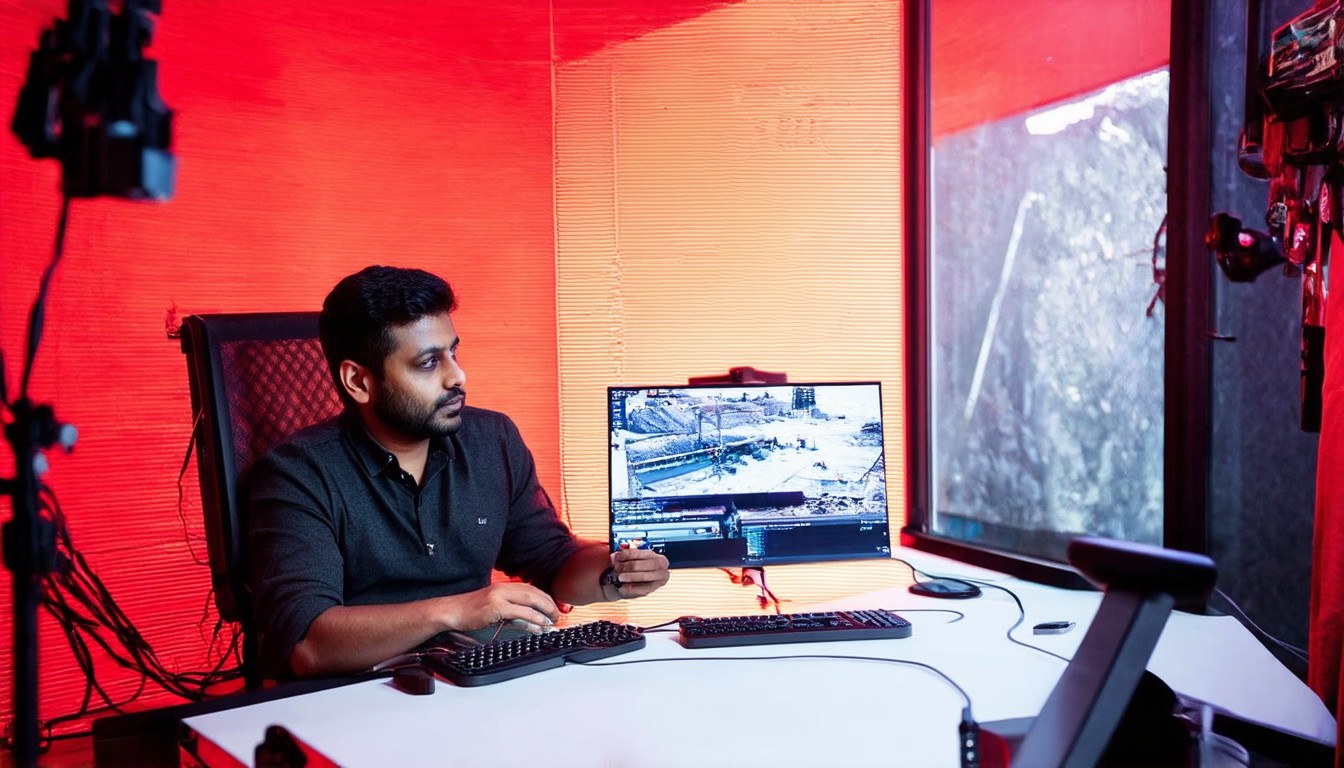
79% of YouTube creators experience burnout, an alarming statistic that underscores a mental health crisis within the creator economy. This burnout isn’t just a fleeting concern; it’s a substantial threat to the sustainability and profitability of content creation, as many creators face the harsh reality of maintaining engagement while grappling with their mental well-being.
79% of YouTube creators have experienced burnout, highlighting a severe mental health crisis in the creator economy.
According to Dr. Alok Kanojia, managing stress daily is essential for preventing burnout, yet many creators overlook this.
Creators must prioritize mental health and sustainable work practices to avoid financial and emotional pitfalls.
The Hidden Crisis: 79% of YouTube Creators Face Burnout
A staggering 79% of YouTube creators report experiencing burnout, according to recent studies. This statistic not only reflects the immense pressure to produce consistent content but also signals an urgent need for attention to mental health within this rapidly growing sector. Dr. Alok Kanojia, a psychiatrist who specializes in creator mental health, emphasizes that “managing stress daily is essential for preventing burnout.” Sadly, many creators overlook this vital aspect, only realizing the consequences when it becomes overwhelming.
The numbers are startling: 52% of creators have considered quitting due to burnout. This is not just a personal issue; it represents a significant retention problem for platforms like YouTube, which rely heavily on the consistent output of high-quality content. The creator economy is projected to expand to $480 billion by 2027, making it crucial to address these mental health concerns now, or risk losing a substantial portion of its workforce.
The Financial Toll: Creators Risk Losing Thousands
The financial implications of burnout are severe. Many creators are under immense pressure to generate content consistently, which often leads to feelings of insecurity regarding their financial stability. According to Amanda Horvath, a YouTube creator who has openly discussed the financial ramifications of burnout, “the pressure to keep up with the algorithm can lead to significant financial losses.” A staggering 69% of creators report financial insecurity linked to burnout, with mid-tier creators potentially losing between $15,000 to $25,000 annually due to decreased productivity and engagement.
This financial strain often forces creators to prioritize quantity over quality, resulting in content that may not resonate with their audience. While the allure of ad revenue is strong, the reality is that many creators are struggling to maintain their livelihoods amidst the relentless demands of the platform. The average revenue per thousand views (RPM) can vary significantly, but the pressure to produce regularly often feels insurmountable, especially when combined with the looming threat of demonetization.
The Algorithm Dilemma: Quality vs. Quantity
The need to appease YouTube’s algorithm often compromises the quality of content, pushing creators into a vicious cycle of burnout. Jacques Slade, known as Kustoo, a full-time creator, has voiced his concerns about the algorithm’s impact on content creators, stating, “The pressure to post regularly can be detrimental to creativity.” The anxiety surrounding algorithm rankings can lead to diminished creativity and heightened stress, as creators feel compelled to produce more content rather than focus on quality.
This algorithm-driven mentality is not just a personal struggle; it represents a systemic issue within the platform itself. Many creators report feeling as though they are trapped in an endless cycle of content creation that prioritizes metrics over genuine engagement, leading to a disconnection from their audience and ultimately contributing to burnout.
The Stigma of Seeking Help: Mental Health in the Creator Community
Despite the alarming rates of burnout among creators, there remains a stigma around discussing mental health struggles within the community. Many creators fear that admitting to mental health challenges could jeopardize their audience’s perception and, consequently, their income. Katie Steckly, a YouTuber who has openly addressed her struggles with burnout, highlights that “the fear of losing audience engagement often prevents creators from speaking out about their mental health.” This reluctance to seek help exacerbates the issue, creating a culture where burnout is normalized rather than addressed.
With 73% of respondents admitting to suffering from burnout at least some of the time, the need for open conversation around mental health has never been more critical. The reality is that creators are not just content producers; they are individuals facing the same challenges as anyone else, and the pressure to appear “perfect” can create a toxic environment that stifles genuine connection and support.
The Future of Content Creation: Strategies for Sustainability
To mitigate the risks of burnout, creators need to adopt innovative approaches to content creation. Strategies such as content batching, where creators plan and produce multiple pieces of content in one sitting, can significantly reduce stress levels. Moreover, diversifying revenue streams can provide financial stability and reduce reliance on AdSense revenue, which is often unpredictable.
The potential of AI tools in the creator space cannot be overlooked. A significant 78% of creators believe that AI tools can help reduce burnout by enhancing creativity and efficiency in content production. By leveraging technology to streamline their workflows, creators can focus on producing high-quality content without the overwhelming pressure that often leads to burnout.
The creator economy is on the brink of substantial growth, projected to reach $480 billion by 2027. However, the sustainability of this growth hinges on the mental well-being of its creators. As we navigate this evolving landscape, it is imperative that both creators and platforms prioritize mental health and implement practical strategies to foster a healthier creator economy.
The Bottom Line
The severe burnout epidemic among YouTube creators must be addressed to foster a healthier creator economy. The staggering statistics reveal a crisis that, if left unchecked, could jeopardize the very foundation of the creator economy. Creators should implement practical strategies like setting boundaries, utilizing AI tools, and seeking community support to combat burnout.
Until mental well-being becomes a priority, the creator economy risks losing its most valuable assets: its creators. As the landscape continues to evolve, it is essential that we recognize the human element behind the content and work towards a more sustainable and supportive environment for all content creators.
Methodology and Sources
Related Articles
- YouTube Premium Just Hiked Prices: What 2 Dollars Means for 135 Million Subscribers
- YouTube TV In 2026: Comcast’’s Worst Nightmare Or
- 73% Quit: The Dark Side Of YouTube’’s Creator Burnout Crisis
, “publisher”: { “@type”: “Organization”, “name”: “NovumWorld”, “logo”: { “@type”: “ImageObject”, “url”: “https://novumworld.com/images/logo.png" } } }
