YouTube's Shocking 68% Creator Burnout Rate Puts Future of Content at Risk
ByNovumWorld Editorial Team
Executive Summary
- This in-depth analysis explores the critical points of the ongoing trend, evaluating its direct medium and long-term impact.
- All information and data have been reviewed following NovumWorld’s strict quality standards.
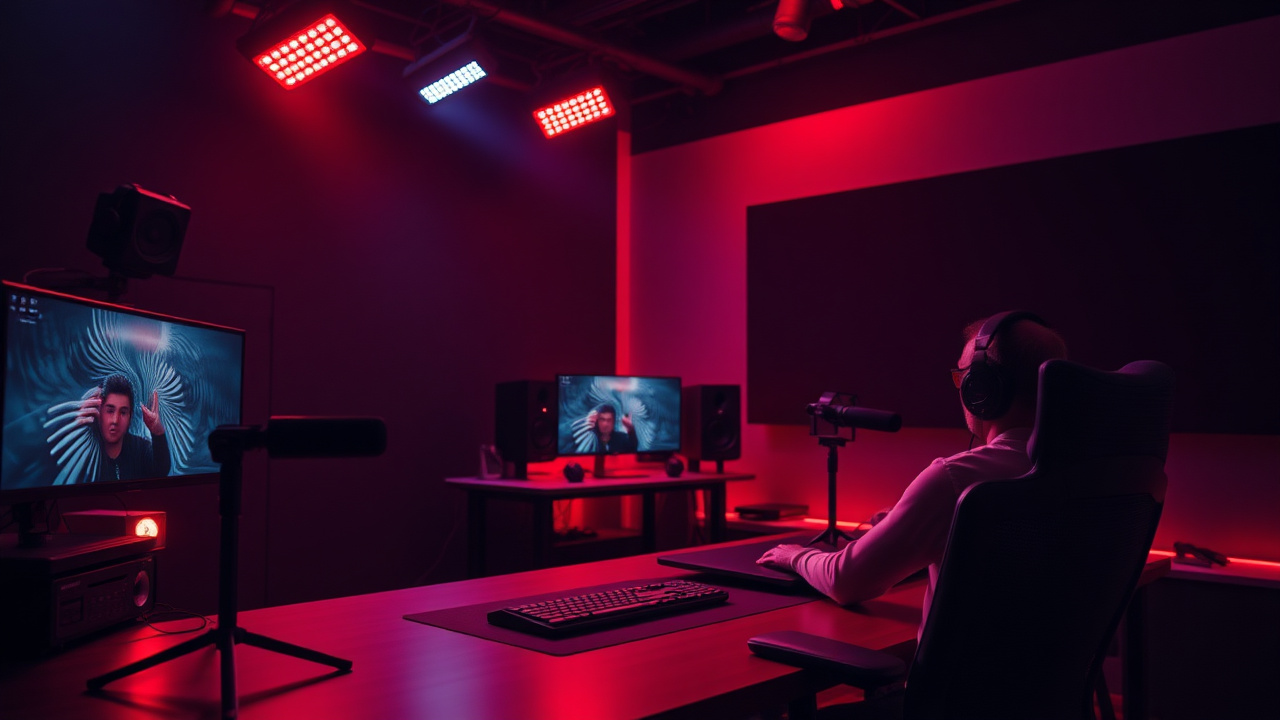
YouTube’s business model relies on a workforce that is statistically collapsing, with a 68% burnout rate threatening the platform’s inventory supply chain.
- YouTube faces a systemic collapse risk as 68% of creators report burnout, with 54% actively considering quitting the platform entirely.
- Mid-tier creators are losing up to $25,000 annually due to exhaustion-related output drops, directly linking mental health to revenue instability.
- Low-effort AI content is seeing a 5.44x traffic decrease compared to human-led content, proving that “AI slop” is a financial dead end.
The Hidden Cost of Content Creation: A 68% Burnout Rate
The creator economy is not a meritocracy; it is a high-pressure production environment where the primary assets—human beings—are depreciating at an alarming rate. A 2024 study indicates that 68% of creators feel exhausted by content demands, a statistic that represents a catastrophic failure in workforce sustainability. This is not merely a mental health crisis; it is a supply chain shock. When over half of your content producers are contemplating an exit, the platform faces a severe inventory shortage that algorithms cannot fix.
Dr. Alok Kanojia, a psychiatrist specializing in creator mental health, emphasizes that the current operational model is flawed. “Managing stress daily, not just taking occasional breaks” is crucial for preventing burnout, yet the platform’s incentive structures punish downtime. The algorithm favors frequency and consistency, forcing creators into a production treadmill that ignores biological limits. This creates a “bubble” of productivity that inevitably bursts, leaving channels abandoned and audiences fragmented.
The financial implications of this burnout are quantifiable and severe. Mid-tier creators, the backbone of YouTube’s diverse content ecosystem, are experiencing annual revenue drops of $15,000 to $25,000 due to exhaustion. This loss of income is not just a personal tragedy; it is a market contraction. As these creators scale back production or quit entirely, the platform loses niche content that drives long-tail engagement. The “myth” of the passive income creator is dying, replaced by the reality of a gig economy that demands 24/7 availability without the benefits of corporate employment.
AI Crackdown: The Fight Against “AI Slop”
YouTube is aggressively pivoting to combat the flood of low-quality, automated content that threatens to drown out human creators. Neal Mohan, YouTube CEO, has publicly pledged to crack down on “AI slop,” a term that describes the mass-produced, low-value videos generated by automated tools. This crackdown is not an altruistic move to protect artistry; it is a defensive maneuver to protect user retention. Data shows that low-effort AI videos see up to a 5.44x decrease in traffic compared to human-led content, a metric that terrifies advertisers concerned about brand safety and engagement.
The technical infrastructure supporting this AI slop is often inefficient. Generating high-fidelity video requires massive GPU compute costs, often utilizing expensive H100 clusters for inference. When the resulting content fails to retain viewers, the return on investment (ROI) for these AI farms collapses. YouTube’s strategy involves detecting these low-retention signals and throttling distribution, effectively rendering the “get rich quick with AI” business model obsolete. The platform is betting that the high cost of compute will outweigh the low CPMs of spam content.
However, the reliance on AI for moderation creates its own set of risks. As YouTube expands its use of AI moderation to police AI content, the potential for false positives increases. Several large creators have already claimed to have been mistakenly demonetized and banned, their channels only reinstated after public outcry. This creates a “trap” where legitimate creators are collateral damage in the war against automation. If the moderation AI cannot distinguish between a high-effort critique using AI tools and a mass-produced asset flip, the platform risks alienating its core revenue generators.
The Monetization Dilemma: Can Creators Sustain Their Income?
The financial sustainability of the creator economy is being questioned as revenue streams become increasingly volatile. Sadie Sherran, co-founder of Falkon Digital, notes that YouTube’s 2026 strategy involves making AI tools accessible while penalizing those who bypass the “human” element. This dual approach highlights a central tension: the platform wants to automate production to lower costs but needs human creativity to drive engagement. The result is a monetization landscape where 69% of creators report financial insecurity linked directly to burnout severity.
The disparity between top-tier earners and the mid-tier is widening. While top creators like MrBeast can command massive RPMs due to their broad appeal and brand deals, the average creator struggles to monetize effectively. YouTube Shorts may pay between $50 and $500 per million views, depending on audience location and niche, a rate that is often insufficient to cover production costs for professional creators. This revenue gap forces creators to chase viral trends rather than building sustainable businesses, leading to a homogenization of content that further accelerates burnout.
Furthermore, the platform’s monetization requirements are becoming a barrier to entry. New rules for creators in 2026 emphasize stricter adherence to community guidelines and original content standards. While this purges low-quality content, it also raises the threshold for profitability. Creators must now invest more in equipment, editing software, and time before seeing a return, increasing their financial risk. This “overrated” promise of easy money is deterring new talent from entering the market, shrinking the pipeline of future stars.
Algorithmic Addiction: The Risk of Over-Reliance on AI
The ethical implications of YouTube’s algorithmic dominance are moving from academic debate to legal liability. A recent US case found Meta and YouTube negligent in a social media addiction lawsuit, marking a turning point for algorithmic product liability. This lawsuit exposes the “lies” of platform design: features intended to maximize engagement are actually inducing psychological dependency. For creators, this means their audience is not just viewing content; they are trapped in a feedback loop that demands constant stimulation.
Paul Roetzer, founder & CEO of PR 20/20, discusses the ethical risks of this dynamic with Kevin Walsh, HubSpot Product Manager of Machine Learning. The concern is that AI-driven personalization prioritizes immediate dopamine hits over long-term user satisfaction. This creates a “failure” in the content market where creators must produce increasingly extreme or sensational content to break through the noise. The algorithm does not reward nuance or depth; it rewards retention, often at the expense of creator mental health.
The technical mechanism of this addiction involves sophisticated recommendation engines that analyze millions of data points per user. By optimizing for watch time, the platform inadvertently optimizes for addictive behavior. This puts creators in a precarious position: they must either feed the algorithm’s appetite for engagement or face obscurity. The result is a content ecosystem that is increasingly polarized and exhausting to consume, contributing to the overall burnout of both the creator and the audience.
The Future of YouTube: Navigating Creator Burnout and AI Ethics
The future of YouTube hinges on the platform’s ability to balance AI integration with human-centric content creation. As burnout threatens the creator economy, the platform must pivot from a model of extraction to one of support. Currently, only 24% of marketers have successfully achieved personalization at scale, indicating that the AI tools meant to assist creators are still immature. If YouTube cannot solve the personalization puzzle without relying on addictive algorithms, the platform risks regulatory intervention and user attrition.
The upcoming Brandcast event, scheduled for Upfront Week, will likely highlight YouTube’s dominance in the TV market, but it must also address the fragility of its creator base. Advertisers are becoming increasingly aware of the risks associated with creator burnout and AI slop. Brand safety is not just about avoiding controversial content; it is about ensuring that the environment is sustainable. If the talent pool shrinks due to burnout, the value of YouTube’s ad inventory will decrease.
YouTube’s strategy to combat AI slop and support creators must be more than just policy updates. It requires a fundamental shift in how success is measured. Moving away from pure watch-time metrics to metrics that value creator well-being and community health could reset the ecosystem. However, this is a risky move that could impact short-term revenue. The platform faces a difficult choice: prioritize immediate shareholder value or invest in the long-term sustainability of its creator workforce.
The Bottom Line
YouTube must prioritize creator well-being and ethical AI practices to sustain its content ecosystem, or risk a mass exodus of talent that will reshape the digital content landscape.
Disclaimer: The financial and health data presented in this article is based on available studies and industry reports as of the date of publication. Individual creator experiences may vary.
Methodology and Sources
This article was analyzed and validated by the NovumWorld research team. The data strictly originates from updated metrics, institutional regulations, and authoritative analytical channels to ensure the content meets the industry’s highest quality and authority standard (E-E-A-T).
Related Articles
- K-Pop Fandom Generates $1,200+ Per Superfan While YouTube Profits From Fancams
- $5 Million a Year, But At What Cost? Family Vlogging’s Dark Secret
- The Hidden Truth About K-Pop YouTube Revenue: $650 Million Surge in 2021
Editorial Disclosure: This content is for informational and educational purposes only. It does not constitute professional advice. NovumWorld recommends consulting with a certified expert in the field.